Austin’s Wild Side: Where Nature Becomes Your Lens
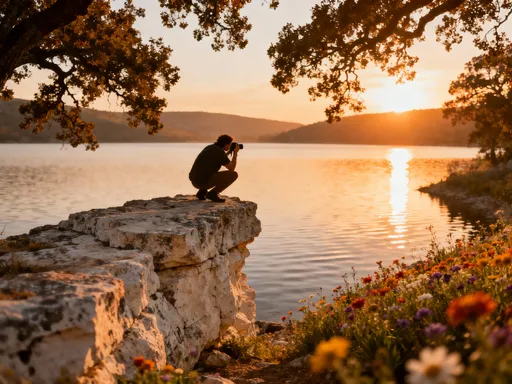
You know that feeling when you find a place so raw and beautiful it stops your scroll? Austin isn’t just about live music and food trucks—its natural wonders are pure magic through a camera lens. From golden-hour reflections on quiet lakes to wildflower-blanketed hills, I was blown away by how much untouched beauty hides in plain sight. This is real, unfiltered nature, just waiting to be framed. While many visitors associate Austin with its vibrant downtown and eclectic street art, the city’s true visual soul lies just beyond the sidewalks, where limestone bluffs rise above winding rivers and trails disappear into sun-dappled canyons. Whether you’re a seasoned photographer or simply someone who appreciates a breathtaking view, Austin offers a rare blend of accessibility and wilderness. Its unique position at the crossroads of the Texas Hill Country and the Blackland Prairies creates a landscape rich in contrast and texture—perfect for capturing light, movement, and stillness in a single frame. In this guide, we’ll explore how Austin’s natural spaces invite both discovery and creativity, offering moments of quiet awe just minutes from the city’s bustling core.
Why Austin Surprises the Nature Photographer
Austin has a reputation for being a cultural hotspot, but few anticipate the depth and variety of its natural landscapes. For photographers, this contrast is precisely what makes the city so compelling. Within a 20-minute drive from downtown, you can stand at the edge of a limestone cliff overlooking a serpentine river or wander through a wildflower field that stretches like a painted carpet across rolling hills. This proximity of urban energy and wild terrain is rare among major U.S. cities, and it offers a unique advantage: the ability to capture untouched nature without a multi-hour journey. The city sits at the eastern edge of the Edwards Plateau, where the rugged terrain of the Hill Country begins to soften into the flatter grasslands of Central Texas. This transition zone supports a surprising diversity of ecosystems—from riparian woodlands along the Colorado River to dry, rocky outcrops covered in prickly pear and live oak.
What makes Austin especially photogenic is the way seasonal changes transform its scenery. In spring, the hills explode with bluebonnets, Indian paintbrush, and coreopsis, creating a tapestry of color that draws photographers from across the state. By summer, the landscape takes on a golden, almost Mediterranean hue, with long shadows and intense light perfect for dramatic compositions. Fall brings softer tones and clearer skies, ideal for wide-angle shots of the river valleys. Even winter offers opportunities, with mist rising off the lakes at dawn and frost clinging to grass blades in the early morning light. The Colorado River, which flows through the heart of the city, acts as a central artery, shaping the land and supporting abundant wildlife. Herons, kingfishers, and even river otters can be spotted along its banks, adding life and movement to still images.
Another factor that enhances Austin’s photographic appeal is the quality of its light. The city’s relatively low levels of air pollution—especially on the outskirts—mean that sunrise and sunset glow with exceptional clarity. The angle of the sun during golden hour casts long, warm light across the hills and water, highlighting textures and creating depth in photos. Blue hour, the period just after sunset or before sunrise, is equally powerful, particularly when shooting city skylines reflected in calm water. For photographers, this means that even familiar scenes can feel new and striking depending on the time of day. The combination of geographic diversity, seasonal rhythm, and exceptional lighting conditions makes Austin not just a pleasant place to visit, but a genuinely inspiring destination for visual storytelling.
Lady Bird Lake: Urban Oasis with Wild Appeal
One of the most accessible and consistently rewarding photography spots in Austin is Lady Bird Lake. Nestled just south of downtown, this 5-mile-long reservoir is surrounded by the Ann and Roy Butler Hike-and-Bike Trail, a paved loop that offers endless vantage points for capturing both nature and cityscape. While the trail is popular with runners and cyclists, early mornings reveal a different side of the lake—one of stillness and reflection. During these quiet hours, the water often becomes a perfect mirror, reflecting the skyline, bridges, and surrounding trees with surreal clarity. This mirror effect is especially powerful during sunrise, when the first light hits the glassy surface and turns it into a canvas of pinks, oranges, and soft golds. Photographers who arrive before 7 a.m. are often rewarded with solitude and ideal conditions for long exposures and symmetrical compositions.
Birdlife is another major draw at Lady Bird Lake. Great blue herons, snowy egrets, and black-crowned night herons stalk the shallows, offering opportunities for intimate wildlife shots. Ospreys and peregrine falcons have also been spotted diving for fish, creating dynamic action moments for those with fast shutter speeds. For a different perspective, consider launching a kayak or stand-up paddleboard from one of the public access points, such as the Zilker Park boat dock or the Deep Eddy Pool area. From the water, you can capture low-angle shots of the trail, bridges, and skyline that are impossible from land. The Congress Avenue Bridge, famous for its bat colony, also makes a compelling subject—especially in the evening when thousands of bats emerge at dusk. While the bats themselves are difficult to photograph due to their speed and low light, the silhouette of the bridge against the twilight sky is a classic Austin image.
To make the most of your visit, timing and positioning are key. The east side of the trail, particularly near the MoPac Expressway bridge, offers unobstructed views of the sunrise over the water. The south side, between Auditorium Shores and the Texas Rowing Center, provides clean lines of the skyline and excellent foreground elements like reeds and overhanging branches. For macro photography, early morning dew on spiderwebs and grass blades adds delicate detail to close-up shots. If you’re using a drone, be aware that flights are restricted within city parks and near bridges, but handheld or pole-mounted shots from the trail remain highly effective. With its blend of accessibility, wildlife, and visual variety, Lady Bird Lake proves that even in the heart of a growing city, nature finds a way to shine.
Mount Bonnell: Classic Vista, Real Impact
Few places in Austin offer the immediate visual payoff of Mount Bonnell. Perched at 775 feet above sea level, this historic overlook has been a favorite of photographers, couples, and tourists for generations. The short climb—just 100 limestone steps—leads to a panoramic view of the Colorado River winding through the hills, with downtown Austin visible in the distance. What makes Mount Bonnell so effective for photography is its elevation and unobstructed sightlines. From this vantage point, you can capture the layered topography of the Hill Country, with ridges receding into the horizon like waves. The contrast between the rugged rock face and the smooth curve of the river creates natural depth and movement in images, while the surrounding oak and cedar trees add framing elements.
Golden hour at Mount Bonnell is nothing short of spectacular. As the sun dips below the western hills, the entire landscape glows in warm light, and the river reflects the sky like liquid amber. Blue hour follows with a softer, cooler tone, perfect for long-exposure shots that smooth the water and highlight the city’s twinkling lights. A wide-angle lens is ideal here, allowing you to include both the immediate rock formations and the sweeping远景. Tripods are highly recommended, especially for low-light photography, though space at the summit is limited and shared among visitors. Because of its popularity, weekends can be crowded, particularly in spring and fall. For a more peaceful experience, arrive on a weekday morning or late afternoon. Parking is sparse, with only a small lot at the base of the hill, so consider biking or ridesharing to avoid the hassle.
While Mount Bonnell is best known for its views, the site also has geological and historical significance. The limestone formation is part of the Balcones Fault, a tectonic boundary that runs through Central Texas and shapes much of the region’s topography. Interpretive signs at the top provide context for the landscape, adding an educational layer to your visit. For photographers, understanding the geology can enhance composition—knowing how the fault created these cliffs helps you anticipate where light will fall and how shadows will form. Whether you’re aiming for a dramatic landscape or a quiet moment of reflection, Mount Bonnell delivers. It’s a reminder that sometimes, the most powerful images come not from remote wilderness, but from a well-placed viewpoint in the middle of a living city.
Barton Creek Greenbelt: Adventure Meets Aesthetic
If Mount Bonnell offers the grand vista, the Barton Creek Greenbelt provides the immersive experience. Stretching over 12 miles from Zilker Park to the western edge of the city, this ribbon of protected land follows a spring-fed creek through limestone canyons, shaded woodlands, and open meadows. For photographers, the Greenbelt is a treasure trove of textures, light patterns, and natural drama. Unlike manicured parks, this space feels genuinely wild—rocky trails, natural waterfalls, and overhanging cliffs create a sense of discovery with every turn. The most photographed sections include Sculpture Falls and Gus Fruh, where the creek cascades over smooth rock ledges into deep, clear pools. These spots are especially popular after rain, when the water flow is strong and mist rises from the falls, adding atmosphere to images.
Light plays a crucial role in shaping the Greenbelt’s photographic potential. In the early morning, sunlight filters through the canopy in narrow beams, illuminating moss-covered rocks and creating dappled patterns on the trail. Late afternoon brings warmer tones, with golden light catching the edges of limestone walls and reflecting off the water. Because much of the trail is shaded, exposure settings need careful adjustment—using a polarizing filter can help reduce glare on wet surfaces and enhance color saturation. For macro photography, the creek banks offer rich details: lichen on rocks, water striders skating across pools, and delicate wildflowers growing in crevices. Wide-angle lenses work well for capturing the scale of the canyon, while telephoto lenses can isolate textures and distant rock formations.
Safety is an important consideration when photographing in the Greenbelt. Water levels can rise quickly after rainfall, making some crossings dangerous or impassable. Always check local conditions before heading out, and avoid entering the creek during or immediately after storms. Trails can be slippery, especially near waterfalls, so sturdy footwear is essential. While the area is generally safe, it’s wise to hike with a companion, particularly in the more remote sections. Despite these challenges, the Greenbelt rewards patience and preparation. Its raw, untamed beauty stands in contrast to the city’s polished image, offering photographers a chance to capture nature in its most authentic form—unplanned, unfiltered, and full of surprise.
Zilker Park & The Great Lawn: Simplicity in Focus
Often overshadowed by more dramatic locations, Zilker Park is a masterclass in understated beauty. At its heart lies the Great Lawn—a vast, open field that seems almost deceptively simple. But for photographers, this openness is a strength. With few visual distractions, the lawn becomes a blank canvas for capturing light, weather, and seasonal change. Early mornings here are particularly rewarding, when fog lingers in the low areas and dew coats the grass in silver droplets. The soft, diffused light of dawn eliminates harsh shadows, making it ideal for portraits, silhouettes, and wide-frame compositions. As the sun rises, the field transforms, with long shadows stretching across the grass and the surrounding trees casting intricate patterns.
Zilker Park also hosts several seasonal events that add human interest to natural scenes. The Zilker Kite Festival, held each March, turns the sky into a kaleidoscope of color, with hundreds of kites dancing above the trees. This event offers unique photo opportunities—children running with kites, colorful silhouettes against the blue sky, and dynamic motion blur with slower shutter speeds. The Trail of Lights in December brings another transformation, with thousands of bulbs outlining the trees and pathways. While these events draw crowds, arriving early or photographing from elevated positions—such as the nearby hills or the Zilker Botanical Garden overlook—can help you capture the magic without the chaos.
For nature-focused shots, the park’s blend of open space and tree-lined edges creates balance and depth. The juxtaposition of wild and cultivated elements—native grasses next to manicured lawns, live oaks shading picnic areas—reflects Austin’s broader relationship with nature. The Colorado River borders the park to the north, offering additional water-based compositions. Ducks, turtles, and herons frequent the banks, adding life to riverside shots. With its accessibility, variety, and gentle beauty, Zilker Park proves that not every great photo requires a difficult hike or rare conditions. Sometimes, the most powerful images come from stillness, simplicity, and the quiet rhythm of everyday nature.
Wild Basin & The Balcones Canyonlands: Hidden Depth
For those seeking a quieter, more secluded experience, Wild Basin Preserve and the larger Balcones Canyonlands offer a different side of Austin’s natural character. Located in the city’s northwest, this 227-acre preserve is part of a network of protected lands that safeguard the region’s unique flora and fauna. The terrain is rugged, with steep trails, limestone overhangs, and dense stands of juniper and oak. Unlike the more developed parks, Wild Basin feels remote and untouched, even though it’s just minutes from residential neighborhoods. This sense of isolation makes it ideal for photographers who want to capture the essence of the Hill Country without venturing far from the city.
The preserve’s four main trails—Ridge, Lookout, Canyon, and Falls—each offer distinct photographic opportunities. The Ridge Trail climbs to an overlook with views of the surrounding hills and the distant skyline, perfect for sunrise shots. The Canyon Trail descends into a shaded ravine where ferns and moss thrive, creating a lush, almost prehistoric atmosphere. Here, long-exposure techniques can smooth flowing water and enhance the sense of stillness. The Falls Trail leads to a small seasonal waterfall, which, while modest, becomes a delicate cascade after rain. Because the area receives less foot traffic, you’re more likely to encounter wildlife—roadrunners, foxes, and even the occasional deer—making it a prime spot for candid animal photography.
Preservation is central to Wild Basin’s mission. As part of the Balcones Canyonlands Conservation Plan, the land protects endangered songbirds like the golden-cheeked warbler, which nests in the native juniper-oak woodlands. This ecological focus means that trails are kept natural, with minimal signage and no paved paths. For photographers, this authenticity enhances the sense of discovery. The lack of development allows light to fall naturally, unimpeded by artificial structures. Fog, wind, and seasonal color shifts play out without interference, offering pure representations of the landscape. By visiting with respect and staying on designated paths, photographers can contribute to the preservation of this special place while capturing its quiet, enduring beauty.
When & How to Capture Austin’s Natural Rhythms
Timing is one of the most powerful tools in a nature photographer’s kit, and in Austin, the rhythms of the seasons and weather are especially pronounced. Spring, from late February to April, brings the iconic bluebonnet blooms. These native wildflowers carpet fields and roadside ditches in vivid blue, often contrasted with the red of Indian paintbrush. To find the best patches, head west or north of the city—areas like Hamilton Pool Road or the backroads near Bee Cave offer abundant blooms without the crowds. Early morning light enhances the soft texture of the flowers, while a shallow depth of field can isolate individual blooms against a blurred green background.
Fall, particularly October and November, delivers some of the clearest skies and most balanced light of the year. With lower humidity, distant views are sharper, and sunsets glow with rich, saturated colors. This is an excellent time for wide-angle landscape shots, especially at Mount Bonnell or along the Barton Creek Greenbelt. Summer, though hot, offers dramatic cloud formations and the chance to capture storm-clearing light—when the sun breaks through after a thunderstorm, the resulting glow can be extraordinary. Using weather apps like Weather Underground or Windy helps anticipate these moments, while photo planning tools such as PhotoPills or The Photographer’s Ephemeris allow you to predict sun and moon positions with precision.
When it comes to gear, a few key items can make a big difference. A polarizing filter reduces glare on water and foliage, enhancing color and contrast. A tripod is essential for long exposures, especially in low light or when shooting waterfalls and night skies. Drones can offer stunning aerial perspectives, but must be flown in compliance with FAA and local park regulations—many city parks, including Zilker and Lady Bird Lake, prohibit drone use. Always check signage and obtain permits when required. Most importantly, approach each location with respect. Stay on trails, avoid disturbing wildlife, and leave no trace. Austin’s natural beauty is not a backdrop—it’s a living, breathing ecosystem. By photographing it with care and intention, you don’t just capture images. You become part of its story.
Austin’s natural beauty isn’t staged—it’s lived, breathed, and constantly reshaped by wind, water, and seasons. For photographers, it’s not about chasing trends but tuning into the quiet pulse of place. With the right timing and respect for the land, every shot becomes a story of discovery. So charge your camera, step off the beaten path, and let nature take the frame.