You Won’t Believe What Niagara Falls Hides During Festival Season
Niagara Falls isn’t just about thundering water and rainbows in the mist—it transforms when festival lights flicker to life. I’ve wandered its paths in every season, and let me tell you, the energy shifts when music fills the air and locals gather to celebrate. From dazzling winter lightscapes to summer nights buzzing with culture, the falls become more than a landmark—they turn into a living stage. This is what happens when nature meets celebration, and trust me, you’ve only seen half the story if you’ve missed it.
The Magic of Niagara Beyond the View
Niagara Falls is often celebrated for its raw natural power—the thunderous cascade, the mist rising like breath from the earth, the constant spray that glistens under the sun. But during festival seasons, the destination undergoes a quiet metamorphosis, revealing a side few travelers anticipate. It’s no longer just a backdrop for photos; it becomes a vibrant stage where nature and human expression converge. The roar of the falls blends with the rhythm of live music, the scent of roasted nuts mixes with crisp lake air, and the paths along the gorge glow with color and warmth. This transformation is not merely decorative—it reshapes the emotional texture of the visit, inviting deeper connection and longer stays.
What makes this shift so profound is the way festivals draw out the local soul of Niagara. While millions come to witness the waterfalls, festivals bring residents into the heart of the experience. You’ll see families strolling hand in hand, children pointing at animated displays, seniors pausing to listen to familiar tunes. The energy is communal, not transactional. Street vendors sell handmade crafts, food trucks offer regional specialties like peameal bacon sandwiches and fresh apple cider, and performers—musicians, dancers, storytellers—add layers of authenticity. These moments don’t just enhance the scenery; they ground it in real life, turning a tourist stop into a shared celebration.
Even the flow of movement changes during festival times. Instead of rushing toward viewpoints for a quick snapshot, visitors linger. They follow light trails through tree-lined parks, pause at illuminated art installations, or sit on benches to enjoy a warm drink while fireworks burst overhead. The sensory experience broadens: the cool touch of winter air, the crunch of snow underfoot, the hum of conversation, the flicker of LED constellations in the dark. These details create a multidimensional encounter—one that stays with you long after the trip ends. It’s this blend of natural wonder and human warmth that makes festival season at Niagara Falls not just memorable, but meaningful.
Winter Festival of Lights: A Sparkling Wonderland
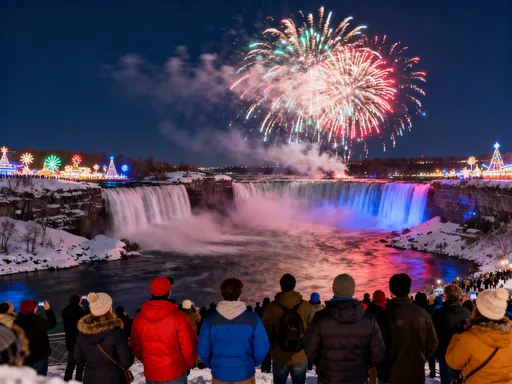
Each year, as the temperatures drop and the days grow shorter, Niagara Falls ignites with one of North America’s most beloved seasonal celebrations—the Winter Festival of Lights. Running from mid-November through early January, this event transforms over 130 acres of public space into a radiant dreamscape. Millions of energy-efficient LED lights weave through trees, drape over bridges, and outline the contours of historic buildings, creating a visual symphony that dances in time with the season’s stillness. The festival is not just decorative; it’s a testament to resilience, joy, and the enduring appeal of light in the darkest months.
The main route begins at the Dufferin Islands, a peaceful green space just minutes from the falls. Here, nature and illumination merge seamlessly—light sculptures shaped like deer, owls, and snowflakes nestle among the pines, glowing softly against the night. Pathways wind under arches of twinkling stars, past frozen ponds dressed in shimmering reflections, and alongside canals where illuminated swans glide silently through the dark. The atmosphere is calm, family-friendly, and deeply immersive, making it ideal for visitors of all ages. As you continue toward downtown Niagara Falls and Clifton Hill, the displays grow bolder—animated scenes of Santa’s workshop, dancing elves, and towering nativity sets bring a festive storybook quality to the streets.
One of the most remarkable aspects of the Winter Festival of Lights is its accessibility. Admission is completely free, allowing everyone—from local families to international tourists—to enjoy the spectacle without financial pressure. The lights are illuminated nightly from 5:00 PM to 10:00 PM, with extended hours on weekends and holidays. For the best experience, visitors are encouraged to arrive just after dusk, when the sky shifts from twilight to deep blue and the lights emerge in full brilliance. Layered clothing, waterproof boots, and a thermos of hot chocolate enhance the comfort of the stroll, turning the walk into a cherished ritual.
Beyond the visuals, the festival includes a range of seasonal activities. Carolers perform at key intersections, warming stations offer free cider, and photo opportunities abound—from life-sized light-framed hearts to glowing reindeer statues. Children can participate in craft workshops, while adults enjoy wine tastings and local art exhibits held in nearby galleries. The festival also partners with local businesses, encouraging visitors to support shops and restaurants that stay open late during the event. This integration of tourism and community life ensures that the celebration feels authentic, not manufactured.
Summer Vibes: Niagara Falls Fireworks & Music Series
When summer arrives, Niagara Falls pulses with a different kind of energy—one defined by rhythm, color, and open-air celebration. The Niagara Falls Fireworks & Music Series, held weekly from late June through early September, turns the night sky into a canvas of fire and sound. Unlike spontaneous fireworks, these are choreographed events, carefully synchronized to music broadcast on local radio stations. As the final rays of sunlight fade behind the Canadian skyline, the first explosive bloom lights up the horizon, echoing the power of the falls themselves. The combination of natural and man-made spectacle creates a sensory crescendo that few destinations can match.
The best viewing spots vary by preference. For those seeking proximity, the Table Rock Welcome Centre offers a front-row seat where the mist from the falls mixes with the scent of gunpowder and the bass of the soundtrack. Couples and small groups often claim spots along the Niagara Parkway, spreading blankets on the grass and enjoying picnics as they wait for the show. More adventurous visitors climb to rooftop terraces of hotels like the Crowne Plaza or the Marriott Fallsview, where panoramic views and comfortable seating elevate the experience. Some even book dinner cruises on the Hornblower Niagara Cruises fleet, watching the fireworks reflect off the water from the deck of a gently rocking boat.
Each fireworks display lasts approximately 20 minutes and features a curated playlist—from classic rock and film scores to contemporary pop and Canadian anthems. The synchronization is precise: a soaring violin note might coincide with a silver willow burst, while a drumbeat punctuates a rapid-fire sequence of red and gold peonies. The falls themselves seem to respond, their constant motion catching the colored light and scattering it in every direction. This interplay between nature and artistry is what sets Niagara’s summer shows apart from generic pyrotechnics elsewhere.
Planning is key to enjoying the series without stress. Shows typically begin at 10:00 PM, meaning visitors should arrive by 8:00 PM to secure good seating, especially on weekends. The WEGO bus system provides reliable transportation between major hotels, attractions, and viewing areas, reducing the need for personal vehicles. Families with young children may prefer earlier evening walks along the illuminated pathways, where smaller light displays and live acoustic sets create a gentler version of the celebration. Nearby dining options—from casual pizzerias to fine-dining restaurants with falls views—allow for a full evening out, turning the fireworks into the grand finale of a well-paced day.
Cultural Festivals: Tastes and Traditions Along the Falls
Beyond seasonal light and sound spectacles, Niagara Falls hosts a series of cultural festivals that highlight the region’s rich agricultural heritage and diverse community life. These events, often held in late summer and early autumn, offer travelers a chance to engage with local traditions in authentic, meaningful ways. Unlike purely visual attractions, cultural festivals invite participation—through taste, touch, conversation, and shared celebration. They reveal the heartbeat of the region, where vineyards, farms, and family-run businesses take center stage.
One of the most anticipated events is the Niagara Wine Festival, typically held over several weekends in September. Set against the backdrop of the Niagara Escarpment—one of Canada’s designated UNESCO biosphere reserves—the festival showcases wines from over 40 local vineyards. Visitors can sample award-winning icewines, crisp Rieslings, and bold reds while enjoying live jazz, culinary demonstrations, and vineyard tours. The main event is often hosted at a historic estate or park near the falls, where long tables draped in white cloth invite guests to savor multi-course pairings under the open sky. For families, there are also non-alcoholic options, children’s activities, and artisan markets featuring handmade soaps, preserves, and pottery.
Another cornerstone of the cultural calendar is the celebration of Canadian Thanksgiving, which takes place on the second Monday of October. Unlike its American counterpart, this holiday is less commercial and more rooted in harvest traditions. In Niagara Falls, it manifests in community feasts, pumpkin festivals, and farm-to-table dinners hosted in local halls and outdoor pavilions. Residents open their doors to visitors, sharing stories, recipes, and gratitude for the season’s abundance. The air fills with the scent of cinnamon, roasted squash, and freshly baked pies, while children enjoy corn mazes, hayrides, and apple-pressing demonstrations.
These festivals are not staged for tourists alone. They emerge from real community practices and are organized by local chambers of commerce, agricultural cooperatives, and volunteer groups. As a result, they retain a genuine, unpolished charm. You might find a farmer explaining how icewine grapes are harvested in sub-zero temperatures, or a grandmother teaching kids how to make butter the old-fashioned way. These moments of connection—simple, unplanned, and heartfelt—are what make cultural festivals so special. They remind us that travel is not just about seeing new places, but about understanding the lives of those who call them home.
How to Navigate Festivals Like a Local
Experiencing Niagara Falls during festival season requires more than enthusiasm—it demands strategy. While the events are designed to be accessible, peak weekends can bring large crowds, limited parking, and long lines. To make the most of your visit, it helps to adopt the habits of a seasoned local. Start by timing your trip wisely. Weekdays are consistently less crowded than weekends, especially during the Winter Festival of Lights and the summer fireworks series. Arriving in the late afternoon allows you to explore attractions before the evening rush and secure prime viewing spots without stress.
Transportation is another key consideration. The WEGO bus system, operated by Niagara Region Transit, offers a convenient, affordable way to move between hotels, parks, and festival sites. With multiple color-coded routes, including the popular Red Line that connects major hotels to the falls and Clifton Hill, WEGO reduces the need for personal vehicles and eliminates parking challenges. Passes are available for single rides or full-day access, making them ideal for families and multi-generational groups. For those staying in nearby towns like Niagara-on-the-Lake or St. Catharines, regional transit links provide smooth connections to the festival zones.
Accommodation should be booked well in advance, particularly during major events like Thanksgiving weekend or the final weeks of the Winter Festival of Lights. Hotels with falls views or rooftop terraces tend to fill up months ahead, so early reservations ensure better rates and locations. Consider staying just outside the main tourist corridor—areas like Buffalo, New York, or Fort Erie offer quieter environments and easy access via bridge crossings. Many hotels also offer festival packages that include breakfast, parking, and WEGO passes, adding value to your stay.
While the main attractions draw the biggest crowds, some of the most rewarding experiences happen off the beaten path. Take time to explore quieter streets like River Road or Old Town, where local cafes, bookshops, and art galleries offer a more intimate glimpse of Niagara life. These areas often host smaller satellite events—pop-up music sets, craft fairs, or lantern walks—that are less crowded but equally enchanting. By balancing must-see spectacles with hidden gems, you create a richer, more personal journey.
What to Pack and Wear for Festival Comfort
Comfort is essential when attending festivals at Niagara Falls, where weather and terrain can vary significantly between seasons. The region’s proximity to Lake Ontario means sudden temperature shifts, especially in the evenings, so dressing in layers is a practical necessity. During winter events, a thermal base layer, insulating mid-layer, and waterproof outer shell will keep you warm during extended outdoor stays. A hat, gloves, and scarf are non-negotiable, as even brief exposure to the cold can be biting, particularly near the falls where wind and mist amplify the chill.
Footwear is equally important. The festival routes involve significant walking, often on wet or uneven surfaces. Waterproof boots with good traction prevent slips on icy sidewalks or damp grass. In summer, breathable fabrics and comfortable walking shoes are ideal, as you’ll likely spend hours on your feet navigating crowds and finding the perfect viewing spot. A small, hands-free backpack allows you to carry essentials—water, snacks, a light jacket, and personal items—without strain.
Technology can enhance your experience, but only if it stays charged. Portable phone chargers are highly recommended, especially during all-day outings when you’re capturing photos, using maps, or sharing moments with family. A reusable water bottle helps maintain hydration, particularly during summer events where seating and refreshment stands may be limited. While food is available throughout the festival zones, bringing a few energy bars or fruit can be helpful for families with young children or picky eaters.
For those planning to attend evening events, a compact foldable stool or cushion can make a surprising difference, especially if you intend to sit on grassy areas during fireworks or concerts. A lightweight blanket doubles as insulation and seating. Parents may also want to bring a small flashlight or headlamp for navigating dark pathways after the shows end. These small preparations—often overlooked—can transform a good outing into a great one, ensuring that comfort never compromises the magic of the moment.
Why Festival Visits Create Unforgettable Memories
At its core, travel is not just about places—it’s about moments. And few destinations offer more emotionally resonant moments than Niagara Falls during festival season. There is something profoundly moving about standing at the edge of one of the world’s most powerful waterfalls while music swells and lights bloom across the night sky. It’s a convergence of awe and intimacy, of nature’s grandeur and human creativity. These experiences don’t just entertain; they imprint themselves on memory, becoming stories we carry home and share for years.
Consider the quiet joy of watching a child’s face light up at the sight of a glowing reindeer in the snow, or the shared silence of a family mesmerized by a fireworks finale that mirrors the falls’ own explosive energy. Think of the warmth of a stranger offering directions with a smile, or the taste of a locally made maple cookie handed out at a community booth. These are not curated attractions—they are real, unscripted moments of connection, made possible by the inclusive, celebratory spirit of festival season.
For many visitors, especially women in the 30–55 age group who often plan family trips and value meaningful experiences, these festivals offer something deeper than entertainment. They provide a sense of belonging, a chance to slow down, to breathe, to be present. In a world that often feels rushed and disconnected, standing under a canopy of lights with the falls roaring in the background becomes a form of quiet healing. It’s a reminder that beauty, community, and wonder still exist—and that they are accessible to all.
So while Niagara Falls is undeniably majestic in solitude, it is truly alive during festival season. The lights, the music, the shared laughter—they don’t diminish the natural wonder; they elevate it. They invite us to see the falls not just as a destination, but as a living part of a vibrant, welcoming community. If you’ve only visited in passing, consider returning when the festivals begin. Let the lights guide you, the music move you, and the spirit of the season remind you why travel matters. Because sometimes, the most unforgettable journeys aren’t about where you go—but when you arrive.