You Won’t Believe These Denver Culture Spots Most Tourists Totally Miss
Denver isn’t just mountains and microbrews—its cultural heartbeat is real and vibrant. I didn’t expect to fall so hard for the city’s art galleries, Indigenous heritage sites, and historic theaters. From the buzz of the RiNo Art District to the quiet power of the History Colorado Center, this is a place where creativity meets legacy. If you're chasing authentic local flavor, these are the spaces that tell Denver’s true story—no filter, no hype, just soul. While many visitors come for the Rockies or the craft beer trail, those who linger long enough discover a deeper layer: a city shaped by centuries of history, diverse communities, and fearless self-expression. This cultural richness doesn’t shout—it whispers in the rustle of gallery curtains, echoes in the drumbeats at a summer powwow, and glows in the neon-lit alleyways of downtown. For travelers seeking meaning beyond postcard views, Denver offers a quietly powerful invitation: to see, feel, and remember.
Why Denver’s Cultural Scene Surprises Even Seasoned Travelers
Most travelers arrive in Denver with hiking boots packed and trail maps ready, expecting nothing more than a gateway to the great outdoors. And while the mountains are indeed close—just a 30-minute drive west—the city itself holds a cultural depth that often catches even experienced visitors off guard. There's a common misconception that Denver is all about altitude and adventure, but beneath its rugged exterior lies a dynamic urban core pulsing with creativity, history, and community. The transformation from 19th-century frontier outpost to 21st-century cultural capital has been steady and sincere, built not on spectacle but on substance.
This evolution didn’t happen overnight. Denver began as a gold rush settlement in 1858, quickly growing into a vital hub for trade, railroads, and agriculture. Over time, waves of migration brought Mexican, German, African American, and Indigenous influences that continue to shape the city’s identity. Today, those roots are visible in everything from architecture to cuisine, from street names to festival calendars. What makes Denver’s culture so compelling is its authenticity—it doesn’t feel curated for tourists, nor does it try to imitate other cities. Instead, it reflects a genuine blend of resilience, innovation, and pride.
The city’s cultural landscape thrives because it honors multiple narratives at once. You can stand in a modern art gallery one hour and walk through a reconstructed 1800s frontier cabin the next. You can hear Ute storytelling traditions one evening and catch an experimental jazz performance the following night. This layered experience—where past and present coexist without conflict—is what sets Denver apart. It’s not trying to be New York or San Francisco. It’s proudly, unmistakably itself. And for travelers willing to look beyond the postcards, that self-assurance becomes magnetic.
The Heartbeat of Street Art: RiNo District Uncovered
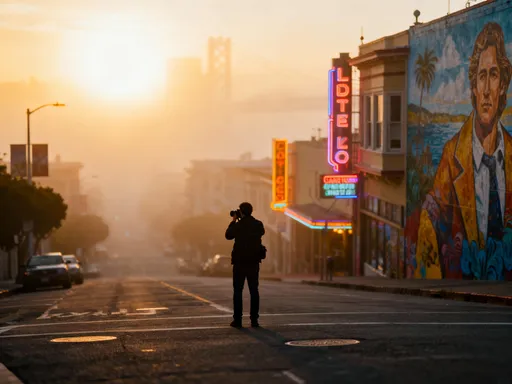
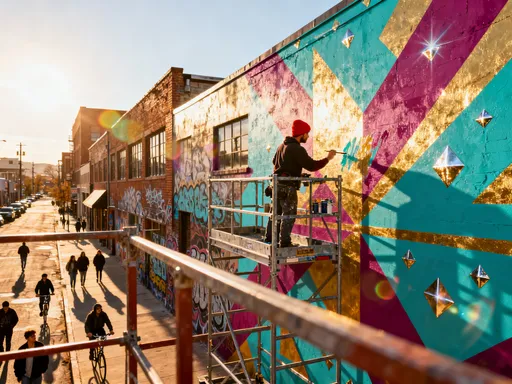
If there’s one neighborhood that captures Denver’s creative spirit, it’s the River North Art District—better known as RiNo. Once an industrial corridor filled with warehouses and auto shops, RiNo has emerged as one of the most dynamic arts districts in the American West. What defines this area isn’t just the sheer volume of public art—though there are over 150 large-scale murals painted across its walls—but the way art is woven into everyday life. Here, creativity isn’t confined to galleries; it spills onto sidewalks, climbs fire escapes, and dances across alleyways in bursts of color and meaning.
Walking through RiNo feels like stepping into a living canvas. Murals shift with the seasons as new artists are commissioned through programs like the Denver Public Art initiative. Some pieces are playful, like the giant octopus wrapping around a building corner, while others carry deeper messages about social justice, environmental awareness, or Indigenous sovereignty. The district also hosts studio spaces where visitors can watch artists at work—places like SCFD Gallery or The Create Space, which offer open hours and occasional workshops. These intimate encounters allow travelers to move beyond passive observation and into real connection.
One of the best ways to experience RiNo is during First Friday, a monthly event held on the first Friday of every month from May through October. Galleries open their doors, food trucks line the streets, and live music fills the air. Artists often stand beside their work, ready to discuss inspiration, technique, or the story behind a particular image. This accessibility breaks down the usual barriers between creator and audience, making art feel personal rather than distant. Even outside First Friday, self-guided walking tours—available via smartphone apps or printed maps from local visitor centers—help travelers navigate the district with purpose and context.
And don’t overlook the culinary side of RiNo. The Source, a renovated meatpacking plant turned food hall, brings together artisanal vendors, craft brewers, and boutique retailers under one soaring roof. Sipping locally roasted coffee while admiring a mural of Colorado wildflowers, or enjoying a handcrafted taco beneath a ceiling of exposed steel beams, adds sensory richness to the cultural journey. In RiNo, art isn’t something you just look at—it’s something you taste, smell, hear, and live.
Where History Lives: Museums That Tell Denver’s Real Story
To understand Denver’s soul, you must step inside its museums—spaces where memory is preserved, stories are honored, and the past breathes with startling immediacy. Two institutions stand out for their ability to make history feel not only real but relevant: the History Colorado Center and the Clyfford Still Museum. Though very different in focus, both offer immersive experiences that go far beyond glass cases and placards. They invite visitors to walk through time, feel emotional resonance, and come away with a deeper appreciation for the forces that shaped the region.
The History Colorado Center, located just south of downtown, uses interactive exhibits to bring the state’s complex narrative to life. One of its most powerful displays is the 1860s frontier town simulation, where costumed interpreters demonstrate daily life during the early settlement period. Children can pan for gold in a mock riverbed, families can try their hand at butter churning, and adults can listen to oral histories recorded from descendants of early homesteaders. Another highlight is the exhibit on the Sand Creek Massacre, a difficult but essential chapter in Colorado’s history. Through personal artifacts, survivor testimonies, and respectful curation, the museum ensures that painful truths are neither ignored nor sensationalized.
Rotating exhibits keep the experience fresh, covering topics from Latino civil rights movements to the environmental history of the Rocky Mountains. Accessibility is a priority: large print guides, audio descriptions, and family activity kits make the museum welcoming for all ages and abilities. Admission is also reasonably priced, with discounted rates for seniors and free entry on certain days of the month, making it an inclusive destination for both locals and visitors.
In contrast, the Clyfford Still Museum offers a more introspective journey. Dedicated entirely to the work of abstract expressionist Clyfford Still—a Denver native—the museum houses nearly 95% of the artist’s lifetime output. His massive, emotionally charged canvases fill nine galleries arranged chronologically, allowing visitors to trace his artistic evolution from figurative beginnings to bold, jagged abstractions. Natural light filters through skylights, enhancing the textures and intensity of the paint. Wall labels are minimal by design, encouraging personal interpretation rather than didactic explanation.
What makes this museum unique is its intimacy. With no other artists represented, the experience feels singular and focused. It’s not about comparing styles or movements; it’s about entering one man’s inner world. For those unfamiliar with abstract art, docent-led tours provide helpful context, explaining how Still rejected commercialism and insisted his work remain together as a unified legacy. Both museums, in their own ways, prove that Denver’s cultural institutions aren’t after spectacle—they’re after significance.
Indigenous Culture Beyond the Surface: Authentic Encounters
Any honest exploration of Denver’s culture must include recognition of the Indigenous peoples whose presence long predates the city itself. The land on which Denver stands is part of the traditional territory of several Native nations, including the Cheyenne, Arapaho, Ute, and Apache tribes. Today, Colorado is home to over 55,000 Native Americans, representing more than 100 federally recognized tribes. Their contributions to the region’s art, language, and spirituality are profound, yet often overlooked by casual visitors.
Engaging with Indigenous culture in a respectful and meaningful way requires intention. It means avoiding stereotypes, rejecting performative tourism, and seeking out opportunities created in partnership with Native communities. One valuable starting point is the American Museum of Western Art – The Anschutz Collection, which includes works by 19th and 20th-century artists depicting Native life. While some pieces reflect outdated perspectives, the museum provides contextual commentary that encourages critical thinking about representation and historical bias.
A more direct connection can be made through seasonal cultural events, such as the annual Denver March Powwow, one of the largest gatherings of its kind in the region. Hosted by the Denver Indian Center, this three-day celebration features traditional drumming, dancing, regalia, and storytelling. Attendance is open to the public, but visitors are expected to follow protocols: no flash photography during ceremonies, no touching of sacred objects, and quiet observation during spiritual moments. These guidelines aren’t restrictions—they’re signs of respect.
For those seeking educational depth, organizations like the Colorado Indian Tribes Educational Foundation offer lectures, film screenings, and guided discussions led by tribal members. These programs explore topics such as treaty rights, language revitalization, and contemporary Native identity. They remind us that Indigenous culture is not a relic of the past but a living, evolving force. When travelers take the time to learn in this way, they move beyond curiosity and into understanding.
Live the Culture: Theaters, Music, and Performing Arts
Dreams don’t just hang on walls in Denver—they take the stage. The city’s performing arts scene is robust, diverse, and deeply rooted in community. From grand opera to grassroots theater, Denver offers performances that entertain, challenge, and inspire. Unlike larger metropolitan areas where shows can feel impersonal, here there’s a sense of closeness, of artists and audiences sharing the same emotional space. Whether seated in a velvet-upholstered auditorium or standing in a converted warehouse, you’re never far from the pulse of live creation.
The Ellie Caulkins Opera House, part of the Denver Performing Arts Complex, is the crown jewel of the city’s theatrical offerings. Home to Opera Colorado and the Colorado Ballet, it presents polished, professional productions that rival those in much larger cities. Yet ticket prices remain accessible, especially for matinee shows or student rush seats. Seeing a performance here—whether it’s *La Traviata* or a contemporary ballet interpreting climate change—is an elegant way to spend an evening. The building itself, with its striking glass tower, has become a downtown landmark.
Equally important are the smaller, mission-driven venues that amplify underrepresented voices. Su Teatro Cultural & Performing Arts Center, founded in 1970, is one of the oldest Chicano theater companies in the country. Based in the historic Art Theatre on Santa Fe Drive, it produces original works that explore Latino identity, social justice, and family legacy. Performances often blend Spanish and English, music and spoken word, tradition and innovation. Attending a show here isn’t just entertainment—it’s an act of cultural solidarity.
Music lovers will find their rhythm at Swallow Hill Music, a nonprofit dedicated to folk, bluegrass, and acoustic traditions. With three intimate performance spaces, it hosts both touring artists and local legends. Concerts frequently include audience Q&A sessions, giving fans a chance to connect with musicians personally. The venue also offers classes in guitar, fiddle, and songwriting, reinforcing its role as a community hub. For travelers, catching a show here feels like being welcomed into a private gathering of passionate music makers.
And let’s not forget the free performances that happen in parks, plazas, and libraries every summer. The “Arts in the Park” series, organized by the City of Denver, brings dance troupes, jazz ensembles, and puppet theaters to neighborhoods across the city. These events are family-friendly, low-cost, and full of local flavor. They reflect a simple truth: in Denver, culture isn’t reserved for the elite—it belongs to everyone.
Hidden Gems: Off-the-Beaten-Path Cultural Stops
Beyond the well-known museums and theaters lie quieter corners of Denver’s cultural map—places that reward curiosity and slow exploration. These hidden gems may not dominate travel brochures, but they offer some of the most authentic experiences in the city. They’re where history feels intimate, collections feel curated with care, and community feels tangible.
The Byers-Evans House Museum is one such treasure. Tucked into a quiet block near downtown, this beautifully preserved Victorian mansion tells the story of two influential Denver families through five generations. Period furnishings, original wallpaper, and personal letters create a vivid portrait of domestic life from the 1880s to the 1980s. Guided tours emphasize women’s roles in shaping the household and society, offering a nuanced look at class, gender, and domestic labor. The adjacent Carriage House hosts rotating exhibits on local artists and designers, further connecting past and present.
Another unexpected delight is the Denver Botanic Gardens—not just for its flora, but for its cultural programming. Throughout the year, the gardens host festivals celebrating Japanese tea ceremonies, Mexican Day of the Dead altars, and Native American plant wisdom. These events are developed in collaboration with cultural groups, ensuring authenticity and respect. Strolling through the serene Japanese Garden or attending a summer evening concert among blooming lilies blends natural beauty with human expression in a uniquely harmonious way.
For those interested in African American history, the Blair-Caldwell African American Research Library is a vital resource. Located in the Five Points neighborhood—historically known as the “Harlem of the West”—the library houses archives, photographs, and oral histories documenting Black life in Colorado. Regular exhibits highlight figures like jazz legend Lady Day (Billie Holiday), who lived in Denver as a teenager, and civil rights leader Dr. James P. Beckwourth. The space also serves as a community meeting place, hosting author talks, youth programs, and genealogy workshops.
Visiting these sites requires a bit more planning—checking hours, noting parking options, perhaps combining the trip with a nearby café or park—but the effort pays off in depth and connection. They remind us that culture isn’t always loud or flashy. Sometimes, it’s found in a handwritten letter, a quiet garden path, or a library shelf filled with stories waiting to be read.
How to Experience Denver’s Culture Like a Local
To truly connect with Denver’s culture, you must step out of the role of observer and into the role of participant. Locals don’t just visit galleries—they attend opening receptions. They don’t just hear about powwows—they volunteer at them. They don’t just pass by murals—they follow the artists on social media and return to see what’s new. This kind of engagement transforms a trip from a checklist of sights into a lived experience.
One of the best ways to immerse yourself is by joining a gallery crawl. Organized events like the Santa Fe Art District’s First Friday or the RiNo Art District’s seasonal tours allow visitors to meet artists, sip wine, and enjoy live music while exploring multiple studios in one night. These gatherings have a festive yet unpretentious vibe—no black-tie dress code, no pressure to buy. Just genuine conversation and shared appreciation.
Another rewarding path is attending cultural market days, such as the Cherry Creek Arts Festival or the Southwest Shakespeare Company’s outdoor fairs. These events feature local makers selling handmade jewelry, textiles, pottery, and art prints. Many artists are happy to explain their process, inspirations, and cultural background. Purchasing a piece directly supports small creative businesses and brings a tangible memory home.
For hands-on learners, short workshops offer a deeper level of connection. Places like Redline Contemporary Art Center or the Dairy Arts Center in nearby Boulder offer drop-in classes in printmaking, ceramics, or fiber arts. Even a two-hour session can shift your perspective, helping you appreciate the skill behind a painted mural or woven blanket. Some cultural centers also host introductory dance or drumming circles, especially during festival seasons.
Most importantly, slow down. Put the phone away. Ask questions. Talk to the barista who grew up here, the docent who’s volunteered for 20 years, the artist setting up their easel in the park. These small interactions accumulate into a richer understanding of place. When you support local culture—not just by consuming it, but by engaging with it—you become part of its ongoing story.
Drawing all these threads together, it becomes clear that Denver’s cultural venues aren’t side attractions—they’re the soul of the city. When you step into a mural-covered warehouse, listen to a folk tune in a century-old theater, or walk through stories etched in museum walls, you’re not just visiting. You’re connecting. And that connection turns any journey into something lasting. This isn’t a city that performs culture for outsiders. It lives it, breathes it, and invites you to do the same. So come with curiosity, come with respect, and come ready to be surprised. Because the real Denver isn’t found on a summit or in a beer flight. It’s found in the quiet moments of shared humanity, in the art that speaks without words, and in the stories that wait to be heard.