Snapshots of Soul: Where San Francisco’s Streets Tell Stories
Ever walked down a street and felt like you’ve stepped into a living photo album? San Francisco’s neighborhoods aren’t just backdrops—they’re characters. From fog-kissed alleys to colorful murals pulsing with culture, every block offers a frame-worthy moment. I hit the pavement with my camera, chasing light and authenticity. What I found wasn’t just great shots—it was the city’s heartbeat, one shutter click at a time. This is not a guide to taking perfect pictures, but to seeing deeply, respectfully, and with intention. In a world of fleeting digital images, San Francisco teaches us that street photography can be a quiet act of connection, a way to honor the stories embedded in sidewalks, storefronts, and sunlit corners.
The Magic of Urban Photography
Urban photography transforms the ordinary into the extraordinary. It is not about grand monuments or postcard panoramas, but about the subtle poetry of daily life—the way sunlight slants across a fire escape, how a child’s laughter echoes off brick walls, or the quiet dignity of a weathered hand resting on a wrought-iron railing. Cities like San Francisco offer an unparalleled canvas for such storytelling, where every neighborhood pulses with its own rhythm and aesthetic. The essence of urban photography lies in its ability to capture not just what a place looks like, but how it feels. It is an invitation to slow down, observe closely, and recognize beauty in the overlooked.
What sets street photography apart from casual snapshots is intention. A tourist might snap a quick image of a cable car ascending Lombard Street, but a photographer waits—sometimes for minutes, sometimes for hours—for the perfect convergence of light, movement, and emotion. This discipline requires patience and presence. It is less about technical perfection and more about emotional resonance. The best urban photographs do not merely document; they evoke. They transport the viewer into a moment suspended in time, where a single glance, a shadow, or a splash of color tells a deeper story.
San Francisco’s unique geography and cultural diversity make it a natural haven for visual storytelling. Its steep hills create dramatic perspectives, while its ever-shifting fog cloaks familiar streets in mystery. The city’s history of immigration, activism, and artistic innovation is etched into its architecture and public spaces. From the Victorian homes of Alamo Square to the bustling sidewalks of the Tenderloin, each district offers a distinct visual language. Photographers are drawn here not only for the iconic landmarks, but for the living, breathing narratives that unfold on every corner. It is a city where the past and present coexist, and where every photograph has the potential to become a historical record.
Moreover, urban photography encourages a mindful way of traveling. Instead of rushing from attraction to attraction, the photographer learns to wander without agenda, allowing the city to reveal itself organically. This approach fosters a deeper connection to place and people. It shifts the focus from consumption to observation, from collecting images to understanding context. In doing so, it transforms the act of photography into a form of civic engagement—a way of bearing witness to the life of a city.
Mission District: A Canvas of Culture and Color
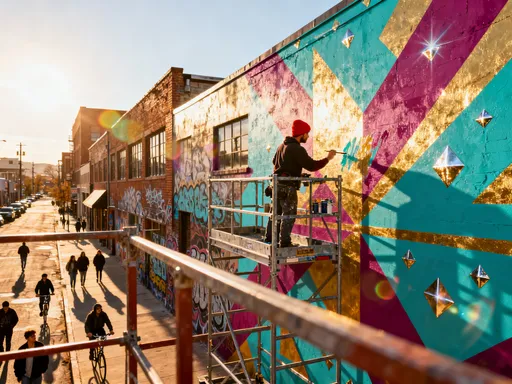
The Mission District stands as one of San Francisco’s most visually dynamic neighborhoods, a place where art and activism merge in bold, unapologetic strokes. At the heart of this creative energy are the famed murals of Balmy Alley and Clarion Alley, narrow passageways transformed into open-air galleries. These walls are not mere decorations; they are declarations—of identity, resistance, and community pride. Painted over decades by local and visiting artists, the murals depict everything from indigenous heritage and labor struggles to celebrations of Latino culture and environmental justice. Each image is a chapter in an ongoing narrative, constantly evolving as new layers are added and older ones fade.
For photographers, the Mission offers a masterclass in color, composition, and context. The murals themselves are rich with detail—vibrant hues, intricate patterns, and powerful symbolism. But the true magic often lies in the interaction between art and environment. A child playing beneath a towering image of a Maya goddess, a dog walker pausing before a political satire, or a couple sharing a quiet moment in front of a love-themed mural—these spontaneous moments animate the artwork and deepen its meaning. Capturing such scenes requires more than a good lens; it demands sensitivity and timing.
Light plays a crucial role in photographing the alleys. Morning light, especially between 8 and 10 a.m., bathes the east-facing walls in soft, diffused illumination, minimizing harsh shadows and bringing out the full spectrum of colors. Midday sun can be too direct, washing out details and creating unwanted glare. Weekdays tend to be less crowded than weekends, allowing for more intimate, unobstructed shots. However, weekends bring life—street vendors, musicians, and families—that can add authenticity and movement to a photograph. The key is to balance stillness and spontaneity, waiting for the right moment when human presence complements rather than overwhelms the art.
Equally important is the ethical dimension of photographing in the Mission. These murals are not just tourist attractions; they are deeply rooted in the community’s history and values. Some depict sensitive subjects, such as immigration raids or police brutality, and deserve respect. Photographers should avoid posing people in front of politically charged murals without consent, and refrain from treating the space as a mere backdrop for selfies. When in doubt, a simple smile and nod can go a long way. Engaging with local vendors or reading the plaques that accompany certain murals also enriches one’s understanding and fosters a more meaningful connection to the place.
North Beach: Shadows, Light, and Old-School Charm
North Beach, San Francisco’s historic Italian neighborhood, exudes a timeless charm that feels lifted from a classic film. Cobblestone streets, ivy-covered buildings, and the distant hum of jazz from basement clubs create an atmosphere both nostalgic and alive. This is a district where shadows dance across alley walls and neon signs flicker to life as dusk settles. For photographers, North Beach offers a treasure trove of textures—peeling paint, wrought-iron balconies, vintage storefronts—that invite close inspection and contemplative framing. It is a place where mood often trumps monument, and where the interplay of light and darkness tells its own story.
One of the most photogenic spots is the stairway near Washington Square Park, where a narrow flight of steps winds between buildings, flanked by flower boxes and climbing vines. At sunrise or just after, when the morning fog begins to lift, this passage glows with a soft, ethereal light. The contrast between the cool mist and the warm tones of the surrounding stucco walls creates a cinematic effect. Similarly, the alley behind City Lights Bookstore—a landmark of the Beat Generation—offers a quiet, introspective corner rich with literary and visual history. The worn pavement, stacked crates, and handwritten signs evoke a sense of timelessness that resonates with both writers and photographers.
Evening photography in North Beach reveals another layer of character. As the city lights come on, the neighborhood transforms. The neon glow of cafes like Caffe Trieste casts a golden hue on sidewalks, illuminating patrons sipping espresso and reading newspapers. These moments of quiet solitude are ideal for capturing the soul of the district. Long exposures can enhance the warmth of the lighting, while a slightly higher ISO setting helps preserve detail in low-light conditions. A 35mm or 50mm lens is ideal for navigating the narrow streets and capturing intimate scenes without intruding on personal space.
The fog, a constant companion in San Francisco, adds depth and mystery to North Beach’s visual palette. When it rolls in from the bay, it softens edges, blurs backgrounds, and creates a dreamlike atmosphere. Rather than avoiding foggy days, photographers should embrace them as opportunities for moody, atmospheric shots. A figure walking through the mist, a lone saxophonist playing under a streetlamp, or a cat perched on a windowsill—these fleeting moments gain emotional weight when framed by fog. The key is to adjust white balance settings to avoid a cold, flat appearance, and to use the fog as a natural diffuser that enhances contrast and mood.
Chinatown: Layers of Life in Tight Spaces
San Francisco’s Chinatown is one of the oldest and most densely populated in North America, a vibrant enclave where tradition and modernity coexist in a labyrinth of narrow streets and bustling markets. Walking through its red-lit gate on Grant Avenue feels like entering another world—one filled with the scent of roasting duck, the sound of mahjong tiles clicking, and the sight of golden dragons dancing above shopfronts. For photographers, Chinatown is a feast for the senses, offering endless opportunities to capture motion, color, and cultural detail. Yet its very density presents challenges: how to photograph authentically without contributing to visual clutter or invading privacy.
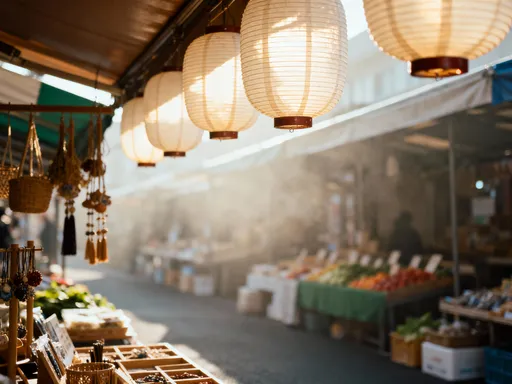
The key to compelling photography in Chinatown lies in focusing on layers. A single frame can include multiple planes of activity—the vendor arranging bok choy on the sidewalk, the elderly man playing chess under an awning, the tourist reading a map in the background. Using a slightly wider aperture (f/5.6 to f/8) allows for depth of field that keeps several elements in focus while still guiding the viewer’s eye. Shooting from a low angle can emphasize the verticality of the buildings and the canopy of lanterns overhead, creating a sense of immersion. Early mornings, before the crowds arrive, offer the best light and the most authentic street life—vendors setting up, delivery trucks unloading, and shopkeepers sweeping their thresholds.
Capturing motion is both a challenge and an opportunity. The constant flow of pedestrians, bicycles, and delivery carts can result in blurred images if not managed carefully. A shutter speed of at least 1/250th of a second helps freeze action, while a continuous shooting mode allows for capturing sequences of movement. Alternatively, intentional motion blur—such as a streak of red from a passing lantern—can add dynamism and energy to a photo. The trick is to anticipate movement, position oneself strategically, and wait for the right convergence of elements.
Respect is paramount when photographing in Chinatown. Many residents have lived here for generations and may not welcome being photographed without permission, especially in private or sacred spaces. Temples, family associations, and residential courtyards should be approached with caution. When photographing people, a polite nod or brief explanation (“I love the colors—may I take a photo?”) often opens the door to a more genuine interaction. Some of the most powerful images come not from distant snapshots, but from moments of connection—like a grandmother adjusting her granddaughter’s hat or a fishmonger proudly displaying his catch. These are not just pictures; they are gestures of mutual recognition.
Haight-Ashbury: Where History Meets Hipster Aesthetic
The Haight-Ashbury neighborhood is synonymous with the 1960s counterculture movement, a place where peace signs, psychedelic music, and flower power once defined a generation. Today, the spirit of that era lingers in the rainbow-colored Victorian houses, vintage clothing stores, and street performers who still gather on corners with guitars and drums. For photographers, Haight-Ashbury offers a visually rich blend of history and contemporary bohemian life. It is a place where the past is not preserved behind glass, but lived and reinterpreted every day. Capturing its essence requires an eye for contrast—between old and new, rebellion and gentrification, nostalgia and reinvention.
One of the most iconic photographic subjects in the Haight is the “Painted Ladies” at the edge of Alamo Square, but the neighborhood’s true character lies in its everyday details. A hand-painted “Free Love” sign in a window, a mural of Jimi Hendrix on a brick wall, or a young couple in retro attire browsing a record shop—these moments speak to the enduring legacy of the 1960s. At the same time, the rise of artisanal coffee shops, yoga studios, and upscale boutiques signals a shift in the neighborhood’s demographic and economic landscape. Photographers can document this duality by juxtaposing old and new—placing a vintage VW van in the foreground with a modern electric car in the background, or framing a tie-dye shirt next to a minimalist storefront.
Composition plays a vital role in telling this layered story. Leading lines—such as the curve of a hillside street or the symmetry of a row of houses—can draw the viewer into the scene. Reflective surfaces, like car windows or puddles after rain, offer creative ways to layer images and add depth. The use of color is especially powerful here; the saturated hues of the painted houses contrast beautifully with the muted tones of foggy skies, creating a visual tension that mirrors the neighborhood’s cultural complexity.
Gentrification has undeniably altered the Haight, and photographers have a responsibility to represent this change thoughtfully. While it is tempting to romanticize the past, a more honest approach acknowledges both the vibrancy of today’s community and the displacement that often accompanies urban renewal. Capturing long-time residents, small business owners, and community events helps preserve a fuller picture of the neighborhood’s identity. Rather than reducing Haight-Ashbury to a theme park of the 1960s, photography can honor its evolution while remembering its roots.
The Role of Light and Weather in Street Photography
In San Francisco, light is not just a technical consideration—it is a character in the story. The city’s microclimates mean that one neighborhood can be bathed in sunlight while another is shrouded in fog, sometimes just blocks apart. This unpredictability challenges photographers but also rewards them with unique atmospheric effects. Understanding how to work with natural light and weather conditions is essential for capturing the city’s true essence. The golden hour—shortly after sunrise and before sunset—offers the most favorable lighting, with warm, directional rays that enhance texture and depth. During these times, shadows are longer, contrast is richer, and skin tones appear more natural.
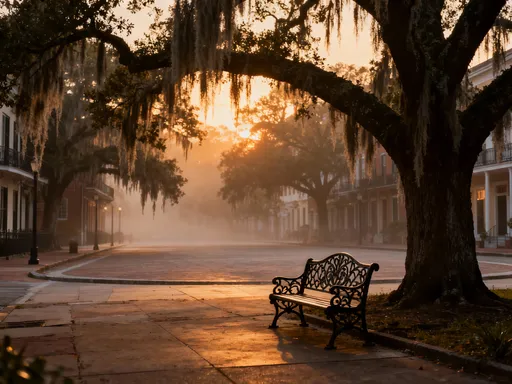
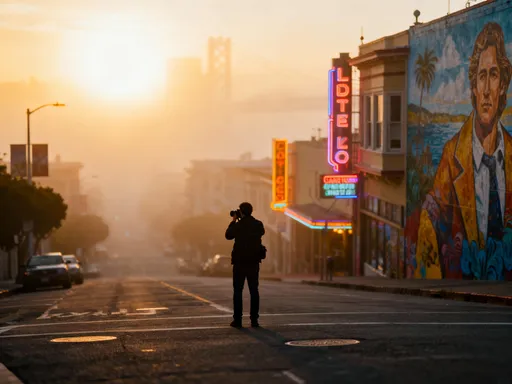
However, San Francisco’s famous marine layer often delays or obscures the sunrise, especially in summer. What might seem like a disadvantage can actually be an asset. Fog diffuses light, creating a soft, even illumination that minimizes harsh contrasts and reduces the need for fill flash. This is particularly useful in narrow streets or alleys where direct sunlight can create extreme highlights and deep shadows. Photographers who embrace the fog can produce images with a moody, almost painterly quality. Silhouettes, outlines, and partial visibility add intrigue, inviting the viewer to imagine what lies beyond the mist.
Weather also influences gear choices. A lightweight, weather-sealed camera body and a versatile zoom lens (such as a 24-70mm) allow for quick adjustments in changing conditions. A polarizing filter can help cut through haze and enhance sky contrast when the fog lifts. For low-light situations, increasing the ISO to 800 or 1600 is often necessary, especially when shooting handheld. Modern cameras handle higher ISOs well, preserving detail without excessive noise. Carrying a small microfiber cloth is essential for wiping away dew or light rain, ensuring clear lenses and screens.
Real-time decision-making is part of the street photographer’s craft. Checking the local weather forecast before heading out helps plan routes—aiming for sunlit areas during golden hour, or embracing foggy districts like the Richmond or Sunset for atmospheric shots. Apps that track fog patterns and sunlight angles can be valuable tools. But ultimately, the best photographs often come from spontaneity—seeing an unexpected play of light on a wet sidewalk, or a sudden break in the clouds that illuminates a hillside home. Being prepared means being present, observant, and ready to adapt.
Ethics, Authenticity, and the Photographer’s Lens
Street photography walks a fine line between observation and intrusion. While public spaces are legally open to photography, ethical considerations must guide every click of the shutter. The difference between a powerful documentary image and an exploitative snapshot often comes down to intent, respect, and empathy. In a city as diverse as San Francisco, where economic disparities and social tensions exist beneath the surface, photographers must be mindful of power dynamics. Capturing someone in distress, poverty, or vulnerability without consent can perpetuate harm, even if the image is technically beautiful.
Authenticity does not justify invasion. A candid moment—a child laughing, an elder reading a newspaper, a street musician lost in song—can be deeply moving when captured with care. But when a subject becomes aware of the camera, the ethical response is often to pause and ask. A simple gesture, a smile, or a brief conversation can transform a potentially uncomfortable interaction into a shared moment. In many cases, people are flattered to be photographed, especially if they understand the context. Some of the most memorable images are those taken with permission, where the subject’s dignity and agency are preserved.
Respect also extends to cultural spaces and sacred sites. In neighborhoods like Chinatown or the Mission, certain areas may hold spiritual or communal significance. Photographing inside temples, during private ceremonies, or in residential courtyards should be avoided unless explicitly permitted. Similarly, large-scale murals may be protected by artists’ rights, and commercial use of such images may require permission. Being informed about local norms and regulations is part of responsible photography.
Ultimately, the photographer’s lens is not neutral—it carries perspective, bias, and intention. Choosing what to frame, what to exclude, and how to edit shapes the narrative. A conscious photographer strives for honesty, avoiding staged or misleading compositions that distort reality. The goal is not to create a perfect image, but a truthful one—one that honors the complexity of urban life and the humanity of its inhabitants. In this way, photography becomes not just an art form, but a practice of empathy.
Framing the City’s Soul
San Francisco’s true beauty lies not in its postcard views, but in its everyday details—the chipped paint on a doorframe, the steam rising from a manhole cover, the way light filters through eucalyptus trees on a quiet street. These are the moments that, when captured with care, reveal the soul of a city. Street photography, at its best, is not about accumulation, but about attention. It is a way of slowing down, of seeing with fresh eyes, of recognizing the extraordinary within the ordinary. For travelers, especially those seeking meaningful experiences beyond the tourist trail, picking up a camera can be a powerful tool for connection.
Each photograph is a dialogue—a conversation between the observer and the observed, between the present moment and the memory it will become. In San Francisco, where change is constant and history is layered, these images take on added significance. They preserve fleeting expressions, disappearing storefronts, and evolving neighborhoods. They remind us that cities are not static backdrops, but living, breathing entities shaped by the people who inhabit them.
So go out with intention. Walk without a map. Let the city surprise you. Wait for the light. Respect the people. And when you press the shutter, do so not just to capture a scene, but to honor it. Because in the end, the most lasting images are not those that look perfect, but those that feel true. San Francisco, with its fog, its colors, its stories, invites us to see deeply—and to remember what we see.