You Won’t Believe What I Found in Cordoba’s Hidden Art Studios
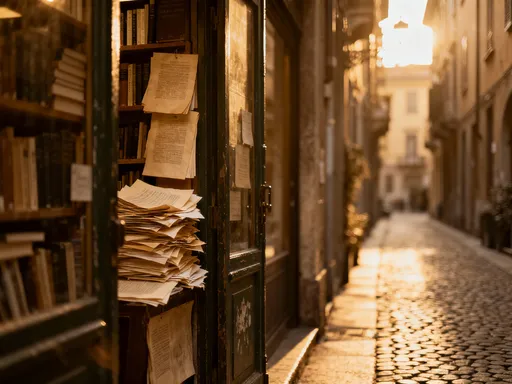
Wandering through Cordoba’s cobbled streets, I stumbled upon something unexpected—not just another mosque or patio, but a city pulsing with creative energy. Behind unassuming doors, artists are turning old workshops into vibrant art spaces where you can actually buy unique, handcrafted pieces. This isn’t your typical souvenir shopping—it’s like taking a piece of Andalusian soul home with you. Let me show you how Cordoba’s art scene is redefining travel shopping. What once was a city celebrated solely for its monumental history now reveals a quieter, deeply personal layer: one painted in cobalt blues, shaped by skilled hands, and whispered through the rustle of linen under a painter’s brush. This is not tourism as spectacle, but as connection.
The Art-Led Transformation of Cordoba
Cordoba has long been revered for its architectural crown jewel—the Great Mosque-Cathedral—a symbol of coexistence and grandeur from the height of Al-Andalus. Yet beyond this UNESCO World Heritage site, a quieter renaissance is unfolding. The city’s narrow alleys and forgotten courtyards are being reawakened, not by developers or chain retailers, but by local artists reclaiming space for creation. These are not galleries in the traditional sense, but intimate studios where history and craft converge. Old stables, disused storage rooms, and centuries-old family homes are being gently restored into functional art spaces, preserving the city’s architectural soul while breathing new life into it.
This transformation is part of a broader cultural revival across Andalusia, where communities are recognizing the value of sustaining local identity through art. In Cordoba, this movement is particularly resonant because of the city’s layered past—Roman, Visigothic, Islamic, and Christian influences all left their mark on its aesthetic language. Today’s artists draw from this rich visual heritage, reinterpreting traditional motifs like geometric tilework, arabesque patterns, and floral mosaics in fresh, contemporary forms. The result is a living culture, not a museum exhibit.
Art-centric tourism is rising across southern Spain, and Cordoba is emerging as a quiet leader. Unlike mass-market destinations where culture is packaged and sold, Cordoba offers authenticity. Visitors aren’t just observers—they’re invited into the creative process. This shift reflects a growing global desire for meaningful travel experiences. People no longer want to simply see a place; they want to feel it, understand it, and carry a piece of it with them. Cordoba’s artist-led renewal answers that longing with sincerity and depth.
Why Art Spaces Are the New Shopping Destinations
The way people shop while traveling has fundamentally changed. The days of grabbing identical keychains or mass-produced fans from crowded souvenir stalls are fading. Modern travelers, especially those in their 30s to 50s, seek authenticity, connection, and stories behind what they bring home. Art spaces in Cordoba fulfill this need in a way that transcends commerce. Buying a hand-thrown ceramic bowl or a linen table runner embroidered with traditional Andalusian patterns isn’t just a transaction—it’s a gesture of appreciation for craftsmanship and cultural continuity.
There is emotional value in owning something made by hand. A painting, a piece of jewelry, or a hand-glazed tile carries the imprint of its maker—the slight variation in brushstroke, the texture of the clay, the rhythm of the stitch. These imperfections are not flaws; they are signatures of humanity. In contrast, factory-made souvenirs lack soul. They may be convenient, but they do not create lasting memories. When you purchase art directly from the artist, you also receive a story: where the materials came from, how long the piece took to make, what inspired the design. That narrative becomes part of your own journey.
Beyond personal meaning, supporting local art spaces strengthens the community. Every purchase helps sustain artists who are preserving traditional techniques that might otherwise disappear. It funds the restoration of historic buildings and keeps cultural knowledge alive. Moreover, these small studios contribute to the local economy in a way that benefits families and neighborhoods, not distant corporations. Choosing to buy art in Cordoba is not just a personal enrichment—it’s an ethical decision, one that honors the city’s heritage and supports its future.
Exploring Cordoba’s Most Inspiring Art Studios
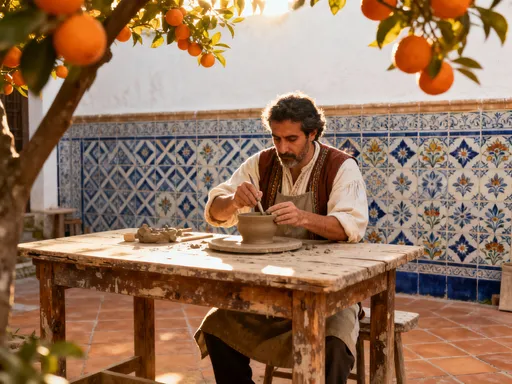
One of the most enchanting aspects of Cordoba’s art scene is its intimacy. Studios are often tucked into quiet corners of the old city, marked only by a small sign or a colorful curtain swaying in the breeze. Take, for example, a former blacksmith’s workshop in the San Basilio neighborhood, now home to a ceramicist specializing in hand-painted azulejos. The space retains its original stone walls and wooden beams, creating a warm, earthy atmosphere. Visitors can watch the artist dip delicate brushes into mineral-based glazes, carefully tracing floral patterns inspired by the mosaics of Madinat al-Zahra, the ancient caliphal city just outside Cordoba.
Another remarkable space lies within the Jewish Quarter, where a centuries-old courtyard has been transformed into a shared studio for textile artists and painters. Sunlight filters through a grapevine-covered trellis, illuminating looms where linen is being handwoven into tablecloths and napkins. Nearby, a painter works on a series of abstract interpretations of the Guadalquivir River, using pigments mixed with local clay. The studio hosts monthly open days, allowing guests to meet the artists, view works in progress, and even try their hand at simple embroidery under gentle guidance.
In the Santa Marina district, a metalworker has converted a stable into a forge and gallery. Here, iron is heated, hammered, and shaped into delicate jewelry—earrings and pendants that echo the intricate latticework of the Mosque-Cathedral’s iron grilles. The artist often explains how each piece begins as a sketch, then evolves through fire and force into something wearable and enduring. These studios are not just places to buy art—they are sanctuaries of creativity, where time slows and attention deepens.
What unites these spaces is their commitment to authenticity. There are no replicas churned out for tourists. Each piece is unique, born from a dialogue between tradition and individual expression. And because many artists welcome visitors by appointment or during cultural events, the experience feels personal, almost like being invited into a home. This level of access is rare in larger cities, where galleries can feel impersonal or exclusive. In Cordoba, art remains close to the ground, rooted in daily life.
Navigating the Art Scene: A Traveler’s Practical Guide
For those eager to explore Cordoba’s art studios, knowing where to look makes all the difference. The neighborhoods of San Basilio, Santa Marina, and the Jewish Quarter are the heart of this creative movement. These areas, rich in history and charm, are compact enough to explore on foot, allowing visitors to wander without rush and discover hidden gems tucked behind archways or down quiet lanes. A morning walk through these districts, with their whitewashed walls and fragrant orange trees, sets the perfect tone for an artistic journey.
The best times to visit are during local festivals or special cultural weekends. Each spring, Cordoba hosts the Fiesta de los Patios, a celebrated event where private courtyards open to the public, many of them now doubling as temporary art exhibitions. Artists display their work among blooming flowers and tiled fountains, creating a fusion of nature, architecture, and creativity. Additionally, the city organizes Open Studio weekends in May and October, when artists across the city invite the public into their workspaces. These events offer unparalleled access and often include live demonstrations, refreshments, and opportunities to speak directly with creators.
Most studios operate on limited hours, typically open from late morning to early evening, Tuesday through Saturday. It’s advisable to check in advance, as many spaces are small and may require appointments. Some artists maintain websites or social media pages with updated schedules. Public transportation in Cordoba is efficient, but the old city is best explored on foot. Comfortable shoes are essential, as the cobblestone streets can be uneven. Parking is limited, so using the city’s well-marked park-and-ride system is recommended for those arriving by car.
When visiting, respectful engagement goes a long way. These are working studios, not commercial shops, so it’s important to observe quietly, ask permission before taking photographs, and listen with genuine interest. Many artists speak some English, especially those accustomed to international visitors, but learning a few basic Spanish phrases—such as "¿Puedo mirar?" (May I look?) or "Es muy bonito" (It’s very beautiful)—can enhance the experience and show appreciation. Above all, patience and curiosity are the best companions in this part of the journey.
What to Buy (And What to Skip)
Among the most cherished pieces to bring home from Cordoba are hand-painted azulejos—small ceramic tiles adorned with traditional Andalusian designs. These are not only beautiful but deeply symbolic, echoing the decorative art of the region’s Islamic heritage. Whether displayed individually or arranged into a small mosaic, they carry the colors and spirit of southern Spain. Another standout is forged iron jewelry, crafted with techniques passed down through generations. Earrings, bracelets, and pendants often feature intricate patterns reminiscent of the mosque’s stained-glass windows or courtyard grilles, making them wearable art with cultural significance.
Textiles, particularly linen embroidered with floral or geometric motifs, are also excellent choices. These pieces reflect the domestic artistry long practiced by Andalusian women, now revitalized by contemporary designers. Table runners, napkins, and cushion covers add a touch of elegance to any home and serve as lasting reminders of Cordoba’s aesthetic grace. For those drawn to contemporary expressions, original paintings and watercolors depicting the city’s landmarks, gardens, and river scenes offer a more modern connection to the place.
However, not all items marketed as “handmade” are authentic. Tourists should be cautious of shops selling identical ceramic pieces or mass-produced metalwork with no artist attribution. To verify authenticity, look for studios where the artist is present and working. Genuine pieces often have slight variations—no two brushstrokes or hammer marks are exactly alike. Ask about the making process; true artisans are proud to share their craft. Avoid anything labeled as “imported” or priced unusually low, as these are often signs of commercial reproduction.
Price ranges vary, but as a general guide, small azulejos start around 15–20 euros, while larger or more detailed ones may reach 50 euros. Hand-forged jewelry typically ranges from 30 to 100 euros, depending on complexity. Linen textiles begin at about 25 euros for napkins and go up to 120 euros for larger embroidered pieces. Paintings range from 80 euros for small watercolors to several hundred for oil works. These prices reflect fair compensation for skilled labor and materials. Paying a fair price supports the artist and ensures the sustainability of their craft.
Beyond the Purchase: Immersive Experiences That Add Value
The true magic of Cordoba’s art studios lies not just in what you can buy, but in what you can experience. Many artists offer short workshops where visitors can try their hand at pottery, painting, or embroidery. These sessions, usually lasting one to two hours, are designed for all skill levels and provide a deeper understanding of the techniques involved. There’s something profoundly satisfying about shaping clay on a wheel or stitching a simple floral pattern, even if the result isn’t perfect. These hands-on moments create lasting memories and foster a deeper appreciation for the art.
Guided studio tours, often led by the artists themselves or local cultural guides, offer another layer of enrichment. Conducted in both Spanish and English, these tours provide context about the historical influences on Andalusian art, the significance of certain symbols, and the challenges of preserving traditional methods in a modern world. Some tours include visits to multiple studios, creating a curated journey through the city’s creative landscape. These experiences are especially meaningful for travelers who value learning and connection over mere consumption.
Many art visits naturally blend with other pleasures of Cordoban life. After a studio tour, it’s common to enjoy a coffee or herbal tea in a hidden patio, surrounded by bougainvillea and the soft sound of water from a fountain. Some artists partner with nearby tapas bars to offer special menus for visitors, combining culture with cuisine. A plate of local olive oil, cured ham, and fresh bread enjoyed after an afternoon of artistic discovery enhances the sense of immersion. These moments—simple, unhurried, and deeply sensory—are what make travel transformative.
For families or groups, these experiences can be especially bonding. Children can participate in child-friendly art activities, while adults engage in more detailed demonstrations. The atmosphere in these studios is welcoming, never rushed, allowing everyone to move at their own pace. It’s a form of slow tourism, where the focus is on presence rather than productivity. In a world that often feels too fast, these pauses are precious.
How to Bring Cordoba’s Art Spirit Home Sustainably
Once you’ve found a piece you love, the next step is getting it home safely. Many artists understand the needs of international travelers and offer careful packaging using acid-free paper, padded boxes, and waterproof wrapping. For fragile items like ceramics or glass, double-boxing is standard. Some studios also partner with local shipping services that specialize in transporting artwork, providing insurance and tracking for peace of mind. While shipping costs vary, they are often reasonable given the care involved, and many travelers find it worth the investment to avoid damage during transit.
Supporting Cordoba’s artists doesn’t have to end when the trip does. Many maintain online portfolios or social media pages where they share new work, upcoming exhibitions, and behind-the-scenes glimpses of their process. Following them allows travelers to stay connected and even make future purchases remotely. Some artists offer limited-edition prints or small handmade items for international sale, expanding their reach while maintaining authenticity. By continuing this relationship, visitors become long-term patrons of cultural preservation.
Ethical considerations are also important. When sharing photos or stories from studio visits, it’s respectful to credit the artist and ask permission before posting images of their workspace or unfinished work. These studios are not tourist attractions but places of labor and creativity. Recognizing the artist’s rights—both intellectual and personal—ensures that cultural exchange remains fair and dignified. Additionally, avoiding the resale of purchased art for profit honors the intention behind the craft.
Bringing Cordoba’s art into your home is more than decoration—it’s an ongoing conversation with a place and its people. A tile on your wall, a linen cloth on your table, a piece of jewelry in your collection becomes a daily reminder of connection, beauty, and the enduring power of human creativity. It’s a way of keeping travel alive long after the suitcase is unpacked.
Cordoba’s art spaces offer more than shopping—they invite connection, discovery, and meaningful travel. Choosing to engage with local art transforms a simple visit into a lasting cultural exchange. Next time you’re in southern Spain, skip the chain stores. Step into a studio, meet the maker, and let the art tell you a story worth taking home.