You Won’t Believe These Hidden Natural Wonders in Cancún
When you think of Cancún, beaches and nightlife probably come to mind—but there’s a whole other side most tourists never see. Deep in the jungle and beneath the surface, untouched cenotes, secret lagoons, and wild coastal trails wait to be explored. I went off the grid and discovered nature here is not just beautiful—it’s alive, raw, and shockingly peaceful. This is the real Yucatán. Far from the polished hotel zones and crowded dayclubs, a quieter, more ancient world pulses beneath the surface. It’s one shaped by water, time, and a delicate balance that has endured for thousands of years. For the traveler seeking not just relaxation but connection, these hidden wonders offer a rare gift: the chance to witness nature as it was meant to be—untamed, unspoiled, and deeply moving.
Beyond the Resort Zone: The Wild Side of Cancún
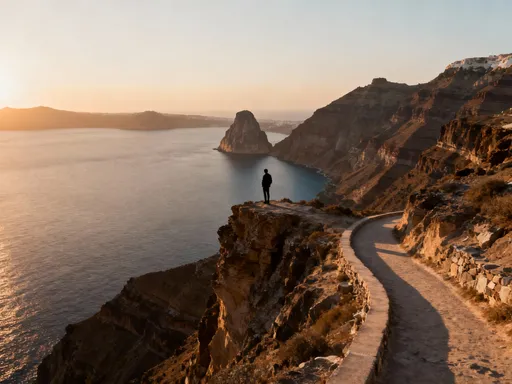
The Hotel Zone in Cancún is undeniably glamorous, with its sweeping beaches and vibrant energy. Yet just a short drive inland or along the Riviera Maya coast, a different world unfolds—one of dense tropical forests, winding jungle paths, and ecosystems that have remained largely unchanged for centuries. While millions flock to the same stretches of sand each year, few venture beyond the well-marked tourist routes to discover the region’s true ecological heart. This contrast is striking: on one side, convenience and comfort; on the other, authenticity and immersion. The wild side of Cancún is not about luxury amenities but about rediscovering a sense of wonder, where the rustle of leaves, the call of distant birds, and the cool touch of underground water remind us of nature’s quiet power.
What makes this hidden landscape so special is its diversity. The Yucatán Peninsula is not volcanic or mountainous like other parts of Mexico; instead, it is built on porous limestone, which allows rainwater to seep through and form vast underground river systems. Over millennia, the roofs of some of these caverns have collapsed, creating sinkholes known as cenotes—natural gateways to an aquatic underworld. These formations are not only geologically fascinating but also culturally significant, having served as sacred sites for the ancient Maya. Today, they remain vital to the region’s hydrology and biodiversity, supporting everything from freshwater fish to migratory birds.
Equally important are the mangrove forests that line much of the coastline and lagoon systems. These salt-tolerant trees form dense, interwoven root networks that stabilize shorelines, filter pollutants, and provide shelter for countless marine species. In the Nichupté Lagoon, for example, mangroves act as nurseries for young fish and crustaceans, sustaining both local fisheries and the broader marine food web. Despite their ecological importance, mangroves are often overlooked by tourists who pass by them on speedboats without realizing the critical role they play. By stepping off the main tourist circuit, travelers gain access to a more complete picture of Cancún—one that honors both its natural beauty and its environmental fragility.
Cenotes That Feel Like Private Paradises
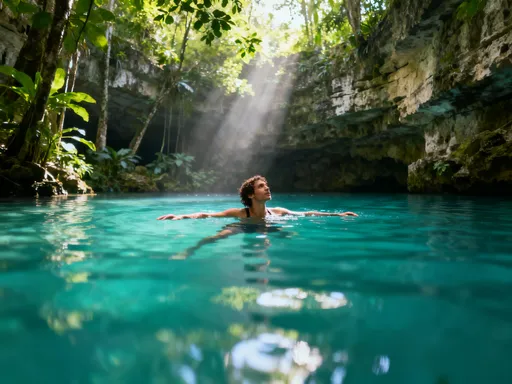
Among the most enchanting natural features of the Yucatán are its cenotes, and while some—like Ik Kil near Chichén Itzá—draw large crowds, many others remain refreshingly secluded. These hidden cenotes offer an intimate experience, where the only sounds are dripping water, rustling leaves, and the soft echo of your own breath. Cenote Azul, located south of Playa del Carmen, is one such gem. Surrounded by thick jungle, this wide, open-air sinkhole boasts water so clear it seems to glow from within. Sunlight filters through the canopy above, casting shimmering patterns on the limestone walls below. The temperature remains a consistent 77°F (25°C) year-round, making it ideal for swimming, snorkeling, or simply floating in silent contemplation.
Another standout is Cenote Jardín del Edén, accessible via a quiet roadside entrance and a short walk through the trees. Unlike commercialized sites, this cenote retains a raw, untouched quality. Rope swings dangle over the water, inviting visitors to leap into the cool depths, while shaded platforms offer space to rest and absorb the surroundings. Visibility often exceeds 100 feet, allowing snorkelers to see schools of small fish darting through submerged roots and rock formations. The acoustics are remarkable—voices carry softly, and the occasional birdcall resonates like music. There’s a spiritual stillness here, a sense that you’ve stepped into a place meant for reflection rather than recreation.
Visiting these cenotes responsibly is essential. Swimmers are encouraged to avoid wearing sunscreen or insect repellent before entering the water, as chemicals can disrupt the delicate balance of the ecosystem. Many sites now require visitors to rinse off in a freshwater shower beforehand. Additionally, touching the limestone formations or disturbing the sediment should be avoided, as these actions can degrade the clarity and health of the water over time. By following these simple guidelines, travelers help preserve the sanctity of these natural sanctuaries. More than just swimming holes, these cenotes are living systems—quiet, ancient, and worthy of reverence.
Sian Ka’an Biosphere Reserve: Nature’s Hidden Kingdom
Just an hour’s drive south of Tulum lies one of Mexico’s most extraordinary protected areas: the Sian Ka’an Biosphere Reserve. Spanning over 1.3 million acres, this UNESCO World Heritage site is a mosaic of tropical forests, marshlands, mangroves, and coral reefs. Its name means “Gate of Heaven” in Mayan, and the title is fitting—this is a place of breathtaking beauty and profound ecological significance. Unlike the bustling resorts nearby, Sian Ka’an operates under strict conservation guidelines, with visitor numbers carefully controlled to minimize human impact. Access is typically through guided eco-tours, ensuring that exploration happens in a way that respects the land and its inhabitants.
One of the most memorable ways to experience Sian Ka’an is by boat, gliding through its intricate network of canals and lagoons. These waterways wind through dense vegetation, offering glimpses of wildlife that are rarely seen elsewhere. It’s not uncommon to spot American crocodiles basking on the banks, their stillness belying their power. More elusive are the West Indian manatees, gentle aquatic mammals that glide silently beneath the surface. Birdwatchers will be delighted by the diversity here—over 350 species have been recorded, including roseate spoonbills, ospreys, and the rare Yucatán wren. The reserve also supports jaguars, though sightings are extremely rare due to their secretive nature and the dense terrain.
What sets Sian Ka’an apart is its role as a refuge. In a region where development pressures are constant, this vast protected area serves as a sanctuary for countless species, many of which are threatened or endangered. Conservation efforts include reforestation projects, monitoring programs, and partnerships with local communities to promote sustainable livelihoods. Tour operators working in the reserve must be certified, and their itineraries are designed to educate visitors about the importance of preservation. By choosing to visit Sian Ka’an through responsible channels, travelers become part of a larger mission—to protect one of the last truly wild places in the Caribbean.
Isla Contoy: A Birdwatcher’s Dream Come True
Located about 30 kilometers north of Isla Mujeres, Isla Contoy is a slender ribbon of land barely rising above the turquoise waters of the Caribbean. This protected national park is accessible to only 200 visitors per day, a limit strictly enforced to protect its fragile ecosystem. The journey begins with a pre-dawn boat ride, the kind that fills the air with anticipation as the horizon shifts from dark blue to soft gold. As the island comes into view, its pristine dunes and low-lying vegetation stand in stark contrast to the developed coastlines most tourists know. There are no hotels, no restaurants, not even shade structures beyond a few wooden shelters. What exists here is nature in its purest form.
Isla Contoy is best known as a haven for birds. Each year, more than 150 species use the island as a nesting, feeding, or resting ground during migration. Among them are magnificent frigatebirds, with their striking red throat pouches, and brown pelicans that glide effortlessly above the waves. Royal terns, laughing gulls, and the endangered least tern nest in the sandy areas, their chicks blending into the pale substrate. The island’s importance as a bird sanctuary led to its designation as a protected area in 1961, and today it remains one of Mexico’s most carefully managed natural sites. Rangers monitor nesting colonies, enforce quiet zones, and ensure that human presence does not disrupt the delicate balance of life.
Visitors are required to stay on marked trails and are accompanied by trained naturalist guides who provide insight into the island’s ecology. Snorkeling is permitted in designated areas, where coral formations and tropical fish thrive just offshore. But the true highlight is the silence—the absence of music, chatter, or engine noise. Here, the wind, waves, and birdcalls compose the only soundtrack. It’s a rare opportunity to slow down, observe, and listen. Because of its strict access rules, Isla Contoy remains one of the best-kept secrets in Mexican ecotourism, a place where conservation and experience go hand in hand.
The Forgotten Coast: Exploring the Nichupté Lagoon System
Just behind the bustling Hotel Zone of Cancún lies a vast and largely unseen network of waterways—the Nichupté Lagoon system. Spanning over 7,000 hectares, this complex web of interconnected lagoons, channels, and wetlands is home to an astonishing array of wildlife. Yet most tourists remain unaware of its existence, passing over it on party boats or catamarans without a second glance. For those who take the time to explore it more intimately—by kayak or silent electric boat—a different Cancún reveals itself. Here, the pace slows, the air cools, and the natural world takes center stage.
The lagoon is bordered by dense stands of red mangrove, their tangled roots forming a protective barrier against erosion and storm surges. These roots also serve as nurseries for juvenile fish, crabs, and shrimp, many of which eventually migrate to the open sea. Crocodiles, though generally shy, are occasionally spotted sunning themselves on muddy banks, while river otters play in the quieter channels. Overhead, herons, egrets, and ospreys patrol the skies, scanning for prey. The biodiversity here is remarkable, with more than 100 bird species documented and numerous fish and amphibian populations thriving beneath the surface.
Eco-tours through the Nichupté Lagoon offer a unique perspective on Cancún’s environmental complexity. Paddling through narrow passages, visitors learn about the lagoon’s role in filtering pollutants and maintaining water quality in the region. Guides often explain how urban development has impacted the ecosystem and what restoration efforts are underway. Some tours include stops at small ecological research stations or community-led conservation projects, highlighting the importance of local stewardship. By choosing low-impact transportation and supporting responsible operators, travelers can enjoy this hidden water world while contributing to its protection. The Nichupté Lagoon is a reminder that even in the most developed areas, nature persists—quietly, resiliently, and worth defending.
How to Visit Responsibly: Leave No Trace in Paradise
As interest in ecotourism grows, so does the risk of unintentional harm. Popular destinations like cenotes, lagoons, and biosphere reserves are vulnerable to overuse, pollution, and habitat disruption. The good news is that every traveler has the power to make a positive difference. The key lies in adopting a mindset of respect and responsibility. This begins with choosing certified eco-tours that follow sustainable practices, employ local guides, and contribute to conservation efforts. These operators are more likely to enforce rules such as group size limits, no-feeding policies, and waste management protocols.
Another critical step is minimizing plastic use. Single-use bottles, bags, and packaging are among the biggest threats to marine and coastal environments. Bringing a reusable water bottle, snack containers, and a cloth bag can significantly reduce your footprint. When visiting natural sites, always carry out what you bring in. Even biodegradable items like fruit peels can disrupt local ecosystems by attracting animals to human food sources. Sunscreen is another concern—many common formulas contain oxybenzone and octinoxate, chemicals that damage coral reefs and harm aquatic life. Opting for reef-safe sunscreen or wearing UV-protective clothing helps protect fragile underwater habitats.
Respecting wildlife is equally important. This means maintaining a safe distance, avoiding flash photography, and never attempting to touch or feed animals. In places like Sian Ka’an or Isla Contoy, staying on marked trails prevents soil erosion and protects nesting sites. Supporting local conservation organizations through donations or volunteer work further amplifies your impact. By making thoughtful choices, travelers ensure that these natural wonders remain pristine for future generations. Responsible tourism is not about sacrifice—it’s about awareness, intention, and care.
Why Hidden Nature Beats the Tourist Trail Every Time
There is a quiet transformation that happens when we step away from the crowds and into the stillness of the natural world. The constant buzz of notifications, schedules, and expectations fades, replaced by the rhythm of wind, water, and wildlife. In places like hidden cenotes, remote biosphere reserves, and protected islands, time seems to slow. These experiences do not offer the instant gratification of a perfect Instagram photo or a lively beach party. Instead, they offer something deeper: a sense of presence, connection, and humility. They remind us that we are not the center of the world, but part of a much larger, interconnected web of life.
The contrast between mainstream tourism and mindful exploration could not be starker. One prioritizes convenience and consumption; the other invites curiosity and care. One leaves behind carbon footprints and plastic waste; the other leaves only footprints in the sand, soon washed away by the tide. Choosing the hidden path is not about rejecting comfort or luxury—it’s about redefining what truly enriches a journey. It’s about trading noise for silence, crowds for solitude, and spectacle for meaning.
Moreover, every act of responsible travel contributes to a greater good. When we support conservation, respect local cultures, and protect fragile ecosystems, we become stewards of the planet. The beauty of Cancún’s hidden wonders is not just in their appearance but in their resilience—the way they have endured despite pressures from development and climate change. By visiting them with care, we help ensure they continue to thrive. True adventure is not measured by how far we go, but by how deeply we see. And in the quiet corners of the Yucatán, there is much to see, feel, and protect—for ourselves, and for those who will follow.