Wandering Through Color: Art Spaces That Define Punta del Este
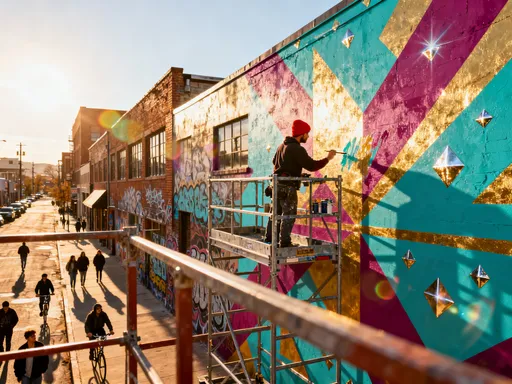
Punta del Este isn’t just beaches and yachts—it’s a canvas. As I wandered its sunlit streets, I stumbled upon open-air galleries, bold sculptures tucked in nature, and studios where creativity pulses like a heartbeat. These art spaces transform the city into a living museum, blending culture with coastal charm. This is not just sightseeing—it’s feeling the soul of Uruguay through color, form, and expression. From iconic landmarks to quiet corners humming with artistic energy, the city reveals itself not only through its glittering coastline but through the quiet brushstrokes and towering installations that line its promenades and hidden alleys. For travelers seeking depth beyond the postcard, Punta del Este offers an immersive journey where art and everyday life intertwine with graceful ease.
The Artistic Pulse of Punta del Este
Punta del Este has long been celebrated as a playground for the affluent, known for its pristine beaches, luxury hotels, and vibrant summer nightlife. Yet beneath its polished surface lies a growing cultural heartbeat—one that is increasingly defined by art. Over the past two decades, the city has evolved into a dynamic hub for creative expression, where murals bloom on side streets, sculptures rise from rocky shores, and galleries welcome both locals and visitors into intimate conversations with contemporary Latin American art. This artistic transformation is not accidental; it is the result of sustained community engagement, municipal support for public art, and an influx of artists drawn to the city’s unique blend of natural beauty and cosmopolitan openness.
What sets Punta del Este apart is how seamlessly art integrates into daily life. Unlike cities where galleries are confined to formal districts, here creativity spills into parks, plazas, and even parking lots. Seasonal festivals such as the International Sculpture Symposium and the Summer Arts Circuit invite artists from across Uruguay and neighboring countries to install temporary works, many of which become permanent fixtures due to public demand. These initiatives are often supported by local business associations and cultural foundations, reflecting a shared belief that art enriches not only tourism but also civic pride. The result is a destination where beauty is not reserved for museums—it is lived, walked through, and discovered unexpectedly.
Moreover, the city’s openness to artistic experimentation reflects its broader identity as a meeting point between tradition and modernity. As a coastal retreat with deep roots in Uruguayan heritage, Punta del Este has welcomed innovation without losing its soul. Artists find inspiration in the rhythm of the tides, the contrast between urban development and untouched nature, and the diverse faces that pass through its streets each season. This synergy between environment and expression makes the city not just a venue for art, but a living participant in its creation.
Iconic Sculptures in Unexpected Places
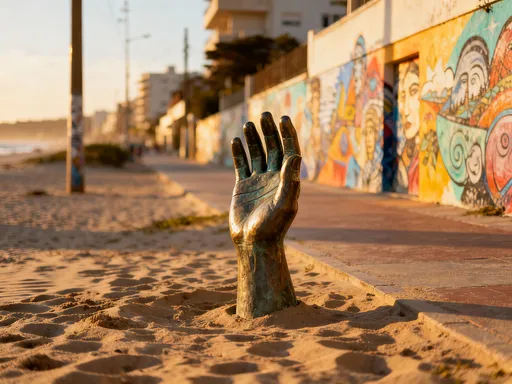
No symbol captures the spirit of Punta del Este quite like La Mano, or The Hand, emerging dramatically from the sands of Playa Brava. This monumental sculpture, officially titled Los Dedos (The Fingers), was created by Chilean artist Mario Irarrázabal in 1982 as part of a larger exploration of human vulnerability and existential isolation. Standing over five meters tall, the weathered hand appears to reach upward from beneath the earth, its fingers straining toward the sky as waves crash around it. The image is at once haunting and awe-inspiring—a powerful metaphor for struggle, hope, and the enduring connection between humanity and nature.
What makes La Mano so unforgettable is not only its visual impact but its placement. Unlike sculptures housed in manicured gardens or museum courtyards, this piece is embedded directly into the wild landscape of the Atlantic coast. The rawness of the beach—the wind, the salt spray, the shifting tides—becomes part of the artwork’s presence. Visitors often stand in silence before it, some taking photographs, others simply absorbing its emotional weight. It is a moment of pause in a city that can feel fast-paced and luxurious, reminding all who see it of deeper, more universal truths.
For travelers planning a visit, early morning or late afternoon offers the best light for photography, with the golden sun casting long shadows across the sand. The site is fully accessible, with a nearby boardwalk and viewing platform that accommodates strollers and wheelchairs. While La Mano is the most famous, it is not alone—scattered along the coastline are other striking installations, including abstract metal forms and stone carvings that echo the region’s geological textures. Exploring this stretch of beach becomes an open-air gallery experience, where each turn reveals a new dialogue between art and environment.
Galleries Off the Beaten Path
Beyond the main avenues and tourist centers, Punta del Este harbors a network of small, independent galleries that offer a more intimate encounter with Uruguayan art. Tucked behind residential blocks or nestled in quiet plazas, these spaces operate outside the commercial spotlight, often run by artists themselves or local collectives. One such gem can be found in the Barrio San Rafael, where a converted house now serves as a rotating exhibition space for emerging painters and sculptors. Inside, the air carries the faint scent of oil paint and wood varnish, and the walls pulse with color—bold abstracts, delicate watercolors, and mixed-media works that blend traditional motifs with modern technique.
What distinguishes these off-the-grid galleries is their authenticity. Without the pressure of high sales or international collectors, artists feel freer to experiment and express personal narratives. A recurring theme in many exhibitions is the relationship between land and identity—works depicting gaucho culture, rural landscapes, or the changing seasons of the Uruguayan countryside. Ceramic pieces often incorporate indigenous patterns, while textile art reflects the country’s colonial and immigrant histories. Conversations with gallery owners or visiting artists are common, offering insights into their creative process and the stories behind individual works.
Visitors are encouraged to engage, not just observe. Many of these spaces host informal openings, poetry readings, or live painting sessions during the summer months. The atmosphere is welcoming, never intimidating, making it ideal for families or those new to art appreciation. Because these venues are less crowded than major museums, they allow for a slower, more reflective experience—one where a painting can be studied at length, or a sculpture circled thoughtfully. For the discerning traveler, these hidden galleries provide a window into the heart of Uruguay’s artistic community, far from the polished facades of commercial tourism.
Art Markets and Seasonal Creativity
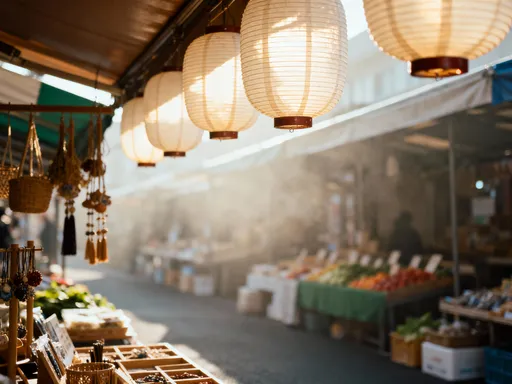
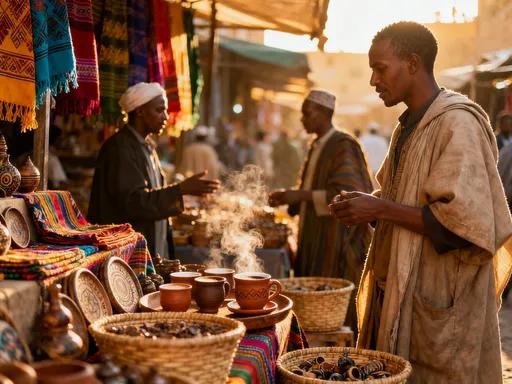
One of the most vibrant ways to experience local art in Punta del Este is through its weekend markets, which come alive during the high season from December to February. Held in central locations such as Plaza Artigas and the port area, these markets transform public squares into bustling bazaars of creativity. Rows of wooden stalls display handcrafted jewelry, painted canvases, woven textiles, and ceramic sculptures, each piece bearing the mark of its maker. The energy is palpable—musicians play softly in the background, children dart between tables, and the scent of freshly brewed mate mingles with the sea breeze.
These markets serve a dual purpose: they are both a cultural experience and a vital support system for local artisans. Many vendors are independent creators who rely on seasonal sales to sustain their practice. Prices are generally modest, making it possible for visitors to bring home authentic Uruguayan art without breaking the bank. Bargaining is common but done politely, often accompanied by friendly conversation. A simple compliment on a painting or a question about technique can lead to a meaningful exchange, deepening the connection between buyer and artist.
Themes in the artwork often reflect the coastal setting—seascapes in soft blues and grays, abstract interpretations of waves and wind, or stylized depictions of local wildlife such as seabirds and dolphins. Jewelry makers frequently use materials native to the region, including black beach stone, silver, and leather. Some vendors specialize in reproductions of traditional folk art, while others push boundaries with contemporary designs. Regardless of style, each piece tells a story, rooted in place and personal vision. For families traveling with children, these markets offer interactive opportunities—pottery demonstrations, face painting, or craft workshops—making art accessible and enjoyable for all ages.
Museums That Elevate the Experience
While spontaneous encounters with art define much of Punta del Este’s charm, formal institutions provide depth and context to the city’s creative landscape. The Museo de Arte Americano, though modest in size, offers a curated journey through 20th-century Latin American modernism. Its collection includes works by prominent Uruguayan artists such as Joaquín Torres García, whose geometric abstraction and fusion of pre-Columbian symbols with European avant-garde styles continue to influence generations. Temporary exhibitions often focus on regional themes, such as the role of art in social movements or the evolution of indigenous aesthetics in contemporary practice.
The museum’s layout encourages contemplation. Natural light filters through high windows, illuminating paintings without glare, while open spaces allow visitors to step back and absorb compositions fully. Informative plaques—available in Spanish and English—offer historical background without overwhelming the viewer. Educational programs, including guided tours and artist talks, are regularly scheduled, particularly during school holidays, making the museum a valuable resource for families and lifelong learners alike.
In recent years, pop-up exhibitions have also gained popularity, transforming vacant storefronts, beach clubs, and even shipping containers into temporary galleries. These installations respond to current events, environmental issues, or seasonal themes, offering fresh perspectives that evolve with the city’s rhythm. Unlike traditional museums, they are often free to enter and designed for brief, impactful visits. Together, these formal and informal spaces create a layered experience—where structured learning complements the thrill of discovery, and every encounter with art adds to a richer understanding of the region’s cultural identity.
Walking as Discovery: Designing Your Own Art Trail
One of the most rewarding ways to explore Punta del Este’s art scene is on foot. The city’s compact layout and pedestrian-friendly zones make it ideal for crafting a personalized art trail. A suggested route might begin at Playa Brava, where La Mano sets a powerful tone. From there, a stroll along Avenida Gorlero reveals murals and small sculptures tucked between shops and cafes. Turning toward the peninsula’s edge, visitors encounter open-air installations near the lighthouse, where the sound of waves underscores the solitude of certain pieces.
Concordia Avenue, known for its upscale boutiques, also hosts several gallery spaces and rotating public artworks. Further inland, the quieter neighborhoods of Parque Residential and Lomas de la Reserva hide studios and private exhibitions that welcome drop-in visitors during summer weekends. Mapping tools such as the city’s official cultural app or printed tourist guides can help identify key locations, but some of the best finds come from wandering without a plan—turning down an unmarked alley and stumbling upon a vibrant mural or a hand-painted sign leading to a weekend artist’s open house.
Practical preparation enhances the experience. Comfortable walking shoes are essential, as many areas involve cobblestone paths or sandy detours. Carrying water, sunscreen, and a light jacket ensures comfort in the coastal climate, which can shift quickly from sunny to breezy. Incorporating rest stops at local cafés—perhaps one with outdoor tables facing a sculpture garden—adds rhythm to the journey. The goal is not to check off every site, but to move slowly, absorb the surroundings, and allow moments of beauty to unfold naturally.
Why Art Makes This Destination Unforgettable
In the end, what makes Punta del Este truly memorable is not its luxury or its beaches alone, but the way art infuses every layer of the experience. It transforms a vacation into a narrative—one shaped by color, form, and human expression. While postcard views capture the surface, the city’s creative spaces reveal its depth: a culture that values beauty not as ornament, but as conversation. Through sculptures that speak to the soul, paintings that echo national memory, and markets that celebrate individual craftsmanship, travelers come to understand Uruguay not just as a place to visit, but as a living story.
Art in Punta del Este is more than decoration—it is an act of identity. It reflects resilience, a commitment to expression even in modest forms, and a belief that culture belongs to everyone. For the 30- to 55-year-old traveler, often balancing family, responsibility, and the desire for meaningful escape, this artistic richness offers something rare: a chance to reconnect with wonder. It invites reflection, sparks conversation with children and partners, and leaves a lasting impression that lingers long after the tan has faded.
So the next time you plan a coastal retreat, look beyond the brochure. Seek out the quiet gallery, the unexpected sculpture, the artist painting by the sea. Let your journey be guided not just by itinerary, but by curiosity. In Punta del Este, every corner turned may reveal a new masterpiece—not just on the wall, but in the way you see the world.